Gambia Press Review: Energy, Tourism, Regional Relations and National Development
From efforts to strengthen electricity generation and develop historic tourism sites to regional diplomacy, agriculture and youth participation, this edition of the Gambia Press Review looks at some of the issues shaping national discussion and development.
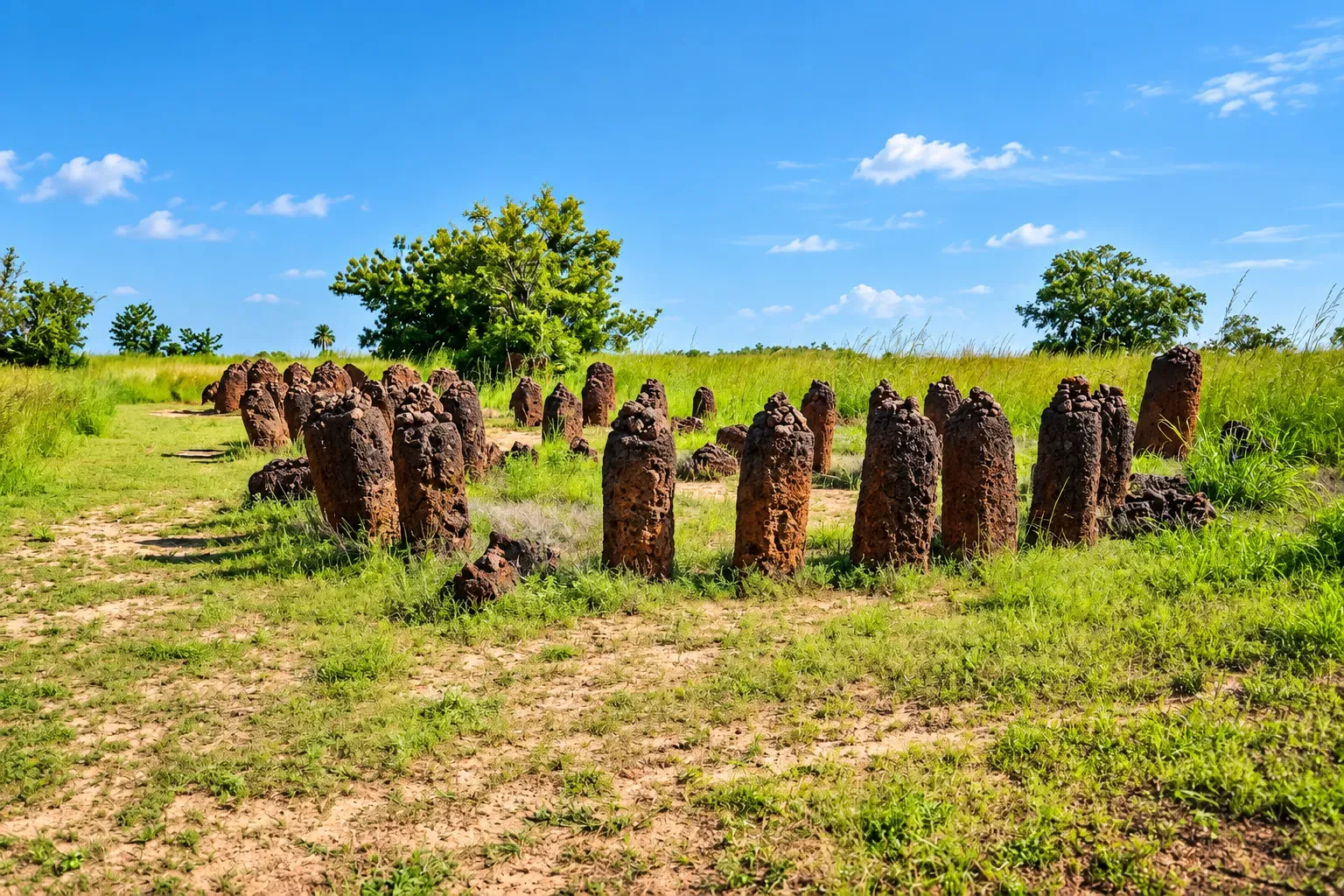
Developments across The Gambia this week reflect a country addressing immediate infrastructure challenges while continuing conversations around tourism, regional cooperation, youth development and public-sector reform.
Among the prominent national issues is the country’s electricity situation. The Government has secured 21 megawatts of additional generation capacity in an effort to ease the recent power crisis. The intervention comes as households and businesses continue to feel the effects of unreliable electricity supply, making energy security an important economic as well as social concern.
For The Gambia’s private sector, improvements in electricity generation are particularly significant. Reliable power affects virtually every area of economic activity from manufacturing and hospitality to healthcare, digital services and small businesses. The development also reinforces the importance of longer-term investment in energy infrastructure and diversification of the country’s power supply.
Tourism and heritage development are also receiving attention. Efforts are underway to strengthen the management and economic potential of the historic communities of Albreda and Juffureh and Kunta Kinteh Island. The initiative seeks to improve visitor experiences, heritage conservation, interpretation and community participation while encouraging tourism beyond the country’s traditional seasonal model.
These sites occupy an important place in the history of the transatlantic slave trade and connect The Gambia to a much wider global story, particularly for members of the African diaspora. Developing them responsibly presents an opportunity to preserve history while creating greater economic participation for the communities surrounding the sites.
Regional diplomacy also features prominently. Celebrations marking Guinea’s 68th independence anniversary provided an opportunity to reaffirm the longstanding relationship between Guinea and The Gambia, with emphasis placed on African unity, friendship and cooperation. Such relationships remain particularly important in West Africa, where trade, migration, security and economic development increasingly require cooperation beyond national borders.
Agriculture and rural development remain equally important national concerns. Communities in parts of the country continue to call for greater support in areas including agriculture, healthcare, security, water and road infrastructure. These concerns highlight the relationship between national development and the everyday availability of essential services, particularly outside the Greater Banjul Area.
Another area attracting attention is youth development and community safety. Calls for stronger youth participation in community policing and crime prevention reflect the wider role young people can play in building safer communities. With young people forming a significant proportion of The Gambia’s population, their participation in national development remains central to the country’s future.
At the regional level, discussions involving African institutions continue to emphasise economic cooperation and integration. Engagements around competition policy, market access and regional trade reinforce the broader objective of creating stronger connections between African economies.
Taken together, these developments provide an interesting snapshot of contemporary The Gambia.
The immediate challenges are clear: electricity, infrastructure, employment, access to services and economic opportunity. At the same time, the country continues to explore how its heritage, young population, regional relationships and private sector can contribute to longer-term development.