Education, Skills and the Institutions Behind National Development
A review of selected stories appearing in the Gambian press on 6 October 2026, highlighting developments in heritage tourism, electricity generation and education three issues that offer a useful snapshot of a country balancing immediate development needs with longer-term ambitions.
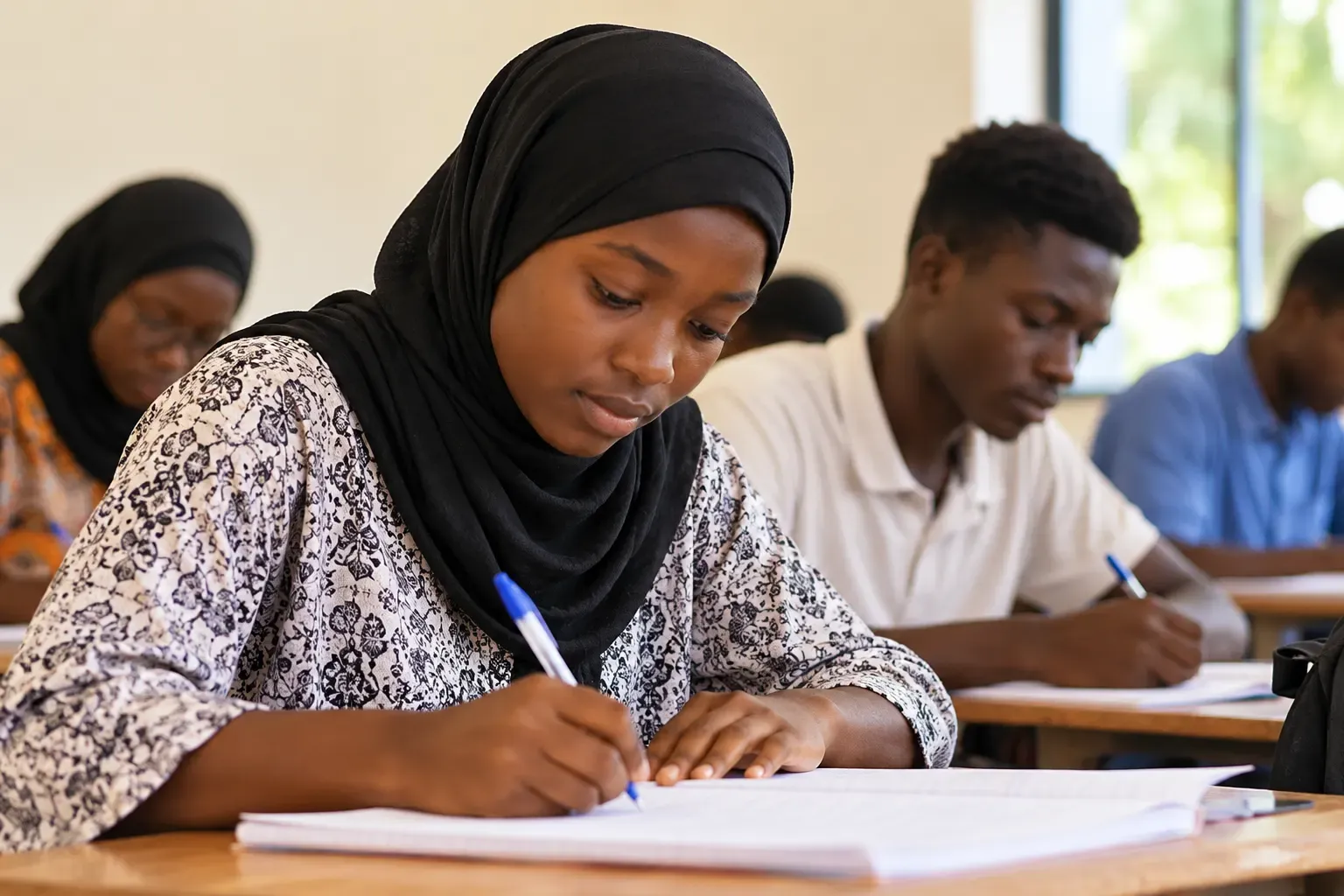
While major infrastructure projects and political developments often dominate national conversations, another side of development is equally important: the institutions and people responsible for building a country’s human capacity.
A review of the Gambian press this week brings several of these issues into focus, particularly education financing, technical and vocational training, professional development and the strengthening of public institutions.
The Debate Over Education Investment
Education features prominently in the national conversation, with the Gambia Teachers’ Union calling for increased government spending on education.
The discussion goes beyond the size of an annual budget. Teachers, classrooms, learning materials, professional development and working conditions ultimately influence the quality of education received by young Gambians.
For a country with a youthful population, investment in education is closely connected to its future workforce. Today’s students will become tomorrow’s teachers, engineers, healthcare workers, entrepreneurs, administrators and technicians.
The debate therefore raises a wider question: what skills will The Gambia need over the next decade, and is the education system being adequately prepared to produce them?
Technical Skills and the Transition to Employment
Another interesting development reported in the press concerns the opening of a skills centre in Masau, with emphasis on practical training and opportunities for young people.
This represents an important part of the education conversation that can sometimes receive less attention than university education.
Economic development requires graduates, but it also requires electricians, technicians, builders, mechanics, ICT specialists, hospitality professionals and people trained in other practical occupations.
Technical and vocational education can therefore provide an important connection between education and employment, particularly when training responds to skills actually required by businesses and industries.
For The Gambia, strengthening that connection could help young people move more effectively from education into productive employment or entrepreneurship.
International Opportunities for Gambian Skills
The newspapers also carry notices seeking professionals for technical and development-related assignments.
Although recruitment advertisements may appear routine, they offer an interesting indication of the skills currently being sought across development projects and institutions.
Engineering, information technology, financial management, procurement, monitoring, environmental expertise and project management repeatedly appear across development programmes.
For young Gambians considering their education and careers, this is useful information.
The labour market itself is effectively saying what it needs.
This makes closer cooperation between educational institutions, employers, government and the private sector increasingly important. Training programmes are most valuable when the skills being taught correspond with opportunities available in the economy.
Social Protection and the Strength of Institutions
Development is not measured only by employment or economic growth.
The press also carries reporting connected to social welfare, public services and programmes supporting vulnerable communities.
These stories highlight another important dimension of national development: whether institutions can translate policies and programmes into services that reach ordinary people.
Strong institutions require more than buildings and budgets. They depend upon trained personnel, clear procedures, accountability, reliable information and the ability to continuously improve the way services are delivered.
That institutional capacity ultimately influences everything from education and healthcare to social protection and economic development.
Why This Matters for Hungary–Gambia Relations
For the Office of the Honorary Consul of Hungary to The Gambia, these developments are particularly relevant.
Education is already one of the most visible areas connecting the two countries through the Stipendium Hungaricum Scholarship Programme, which provides opportunities for Gambian students to pursue higher education in Hungary.
But educational cooperation can extend beyond scholarships.
Technical training, university partnerships, professional exchanges, research collaboration, digital skills, agriculture, engineering and institutional capacity building all provide potential areas in which knowledge can move between countries.
A student studying abroad is one part of that relationship. The larger objective is what happens when knowledge, skills and professional networks eventually contribute to development at home.
A Different Measure of Development
It is easy to measure development through kilometres of road, megawatts of electricity or the construction of new buildings.
Human capacity is harder to photograph.
It develops inside classrooms, workshops, universities and workplaces. It grows when a teacher receives better training, when a young person learns a practical skill, when a professional gains experience and when an institution improves the way it serves the public.
The stories appearing in the Gambian press this week remind us that building a country ultimately also means building the capabilities of its people.