Hungary Explained: More Than the Budapest You See in Photographs
What is Hungary really like for a first-time visitor? Drawing on our own experience of Budapest from its remarkably clean streets and welcoming people to Hungarian food, public transport, architecture and everyday life we introduce Hungary from a Gambian perspective.
First impressions matter
There is a difference between reading about a country and actually walking its streets.
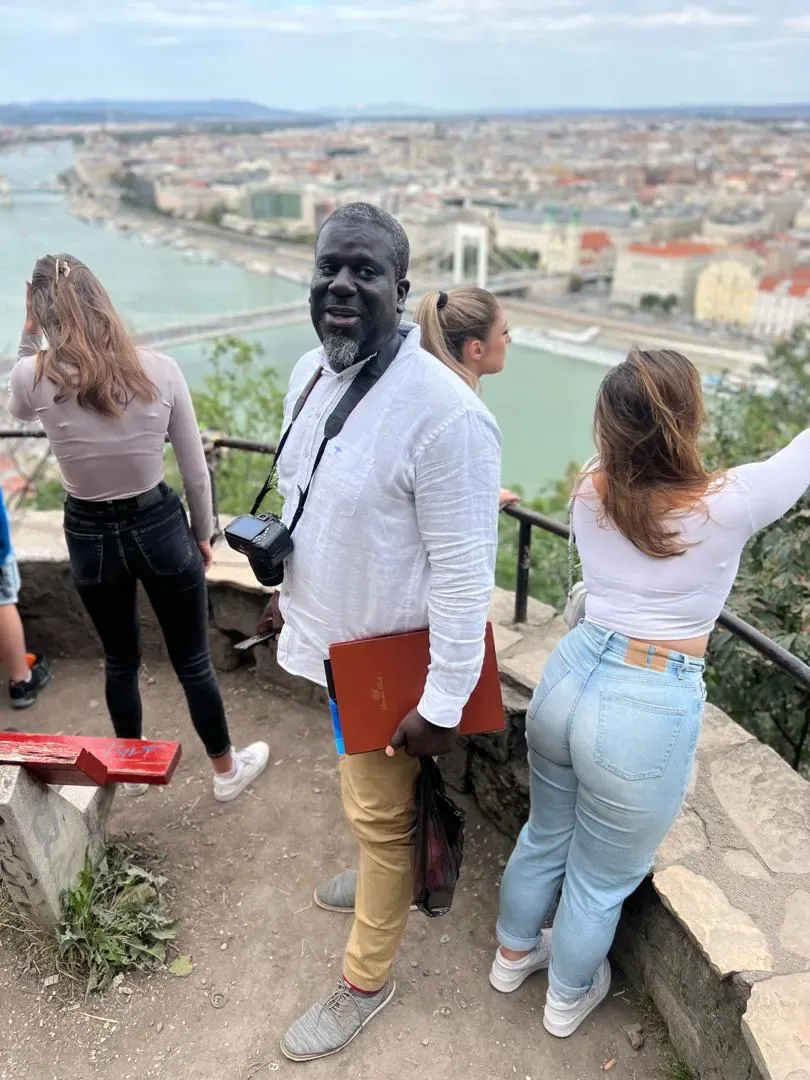
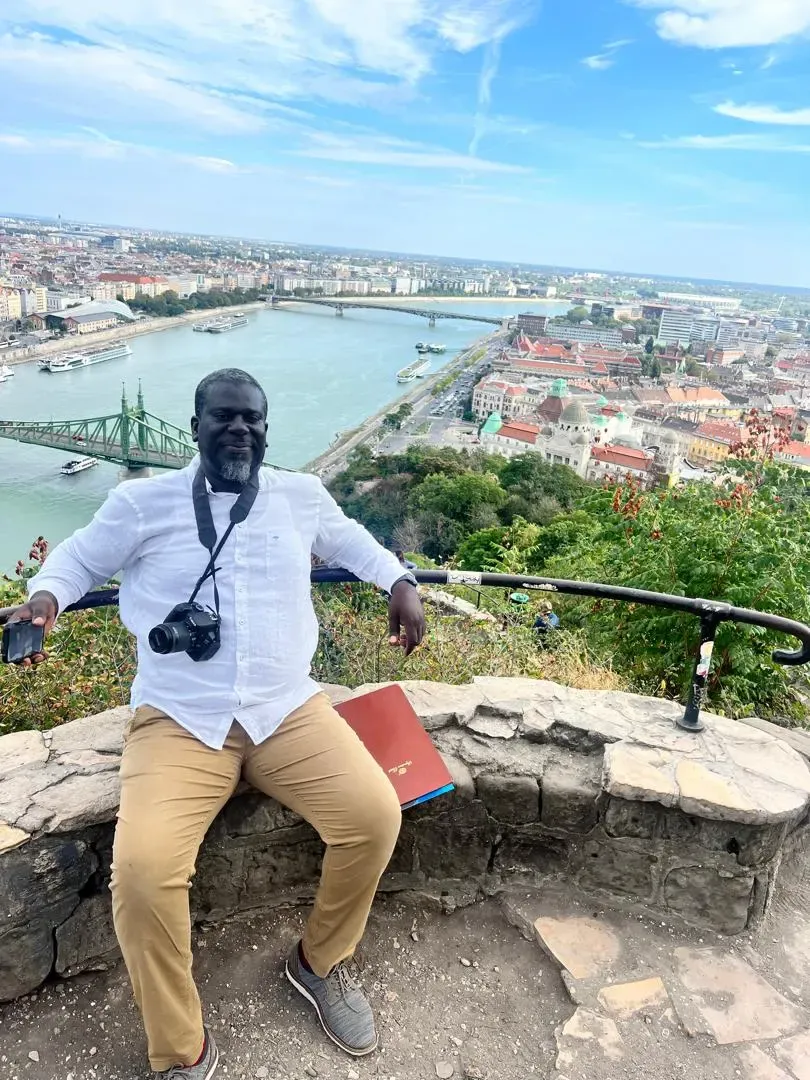
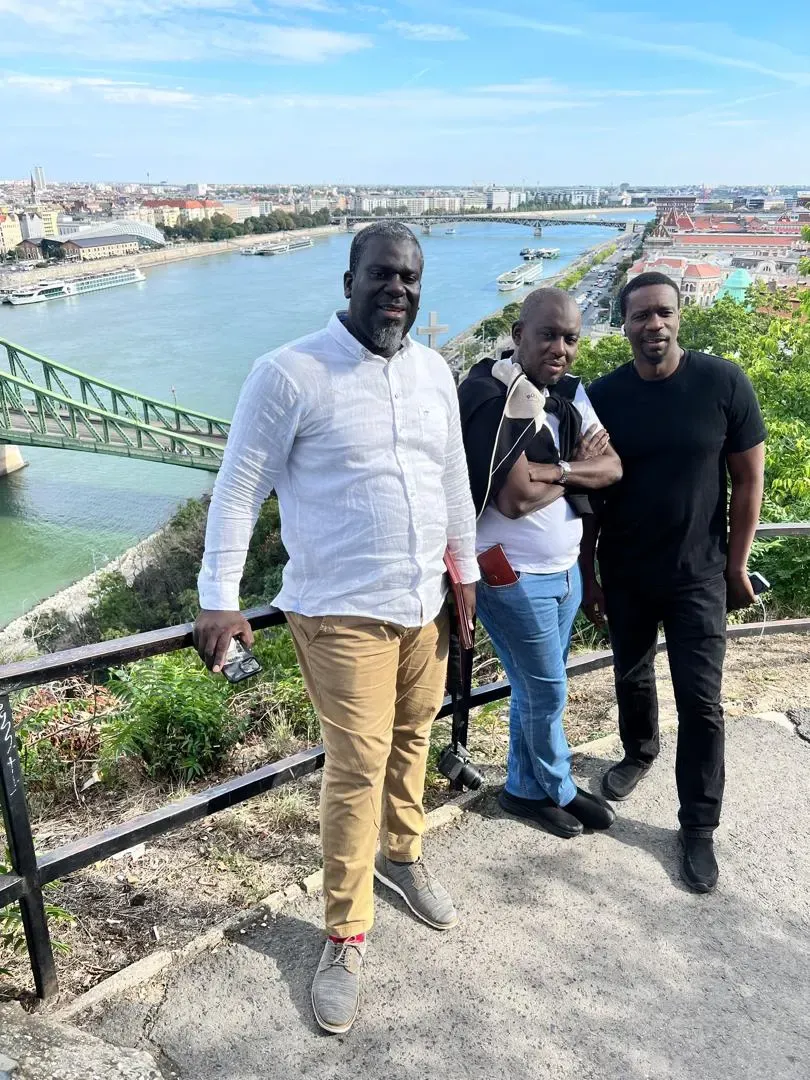
Before visiting Hungary, you can see photographs of the Hungarian Parliament Building, the Danube, Buda Castle and Budapest’s famous bridges. You can read about Hungarian history and perhaps recognise the name Ferenc Puskás if you follow football.
But arriving there gives you something photographs cannot.
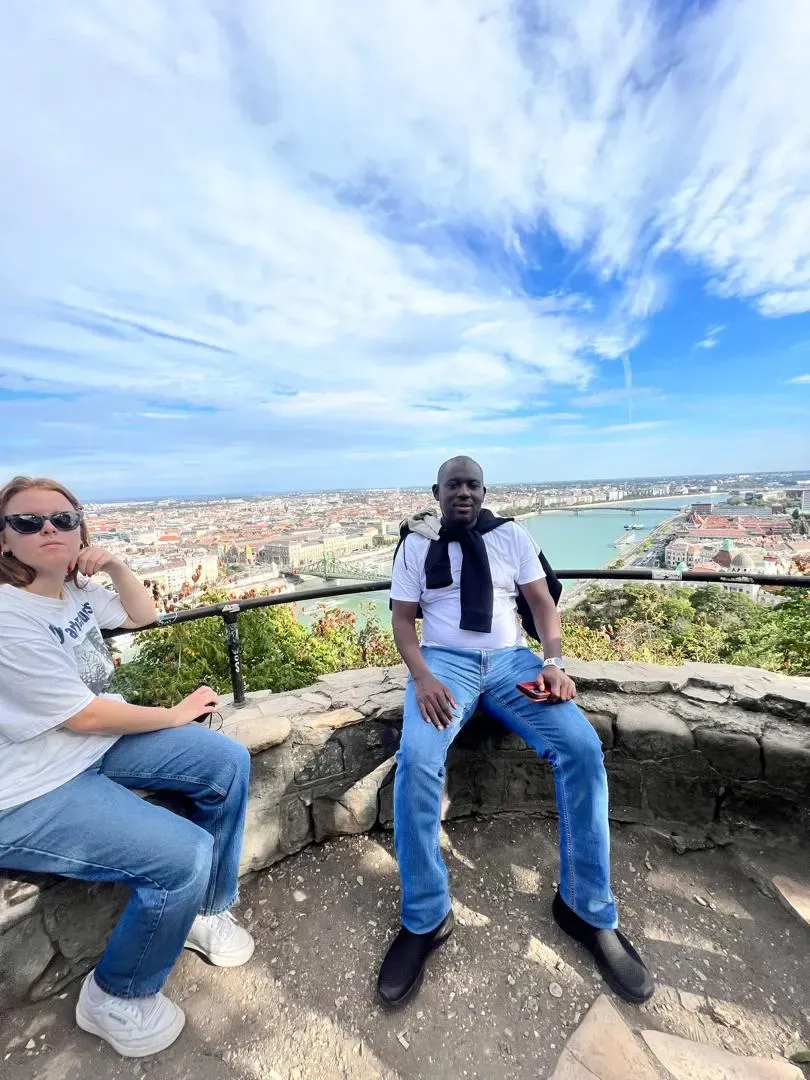
One of my strongest memories of Budapest was simply how clean the city felt. It was among the cleanest European cities I had personally experienced. Streets, public spaces and transport areas appeared well maintained, and there was a sense of order that became noticeable simply by walking around.
That was my experience of Hungary: not through a guidebook, but by being there.
A city that is surprisingly easy to enter
Budapest is grand without always feeling intimidating.
Historic buildings dominate parts of the city, yet modern Budapest moves around them through trams, buses and an extensive metro system. The result is a European capital where a visitor can experience centuries of architecture while still moving around relatively easily.
During my visit, I stayed at the Danubius Hotel Arena, close to Puskás Aréna. The hotel sits only a short walk from the stadium metro station, making the centre of Budapest easily accessible by public transport. Danubius Hotels
That stadium has since had its own moment on the world stage. On 30 May 2026, Puskás Aréna hosted the UEFA Champions League final between Paris Saint-Germain and Arsenal the first time Hungary hosted the final of Europe’s premier club competition. UEFA.com
For a football-loving visitor from The Gambia, that alone gives the area a special significance.
And then there are the people
Perhaps one of the easiest things to misunderstand about another country is its people.
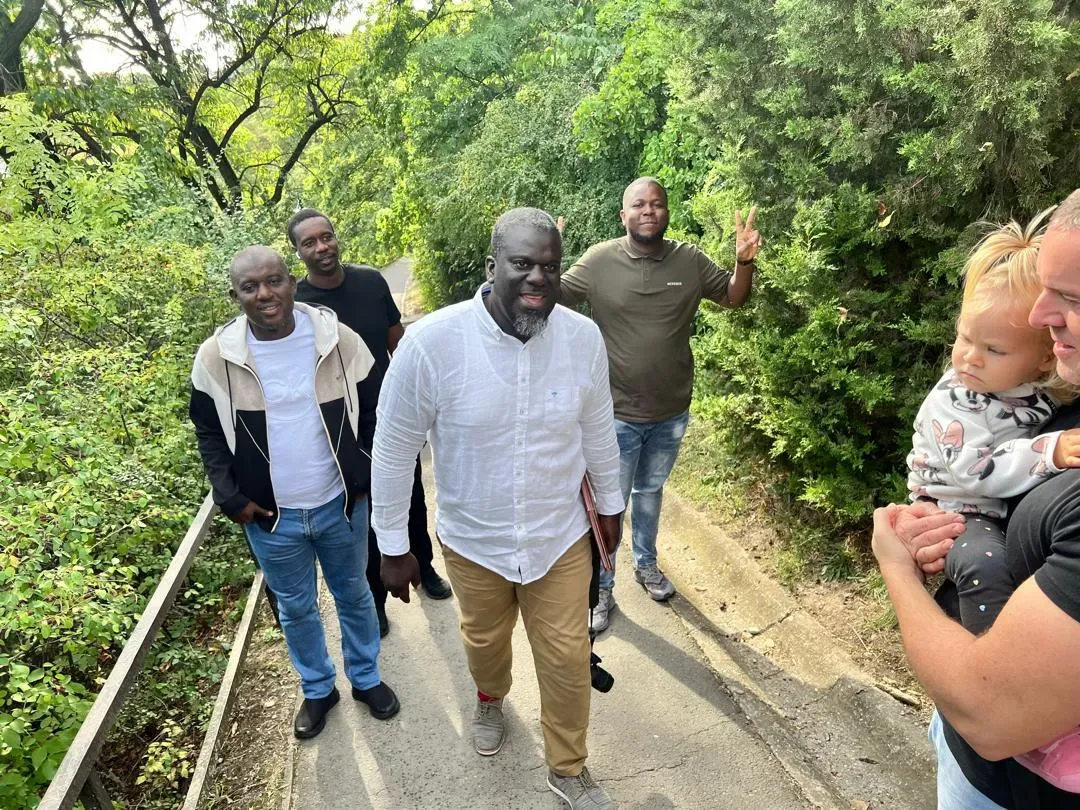
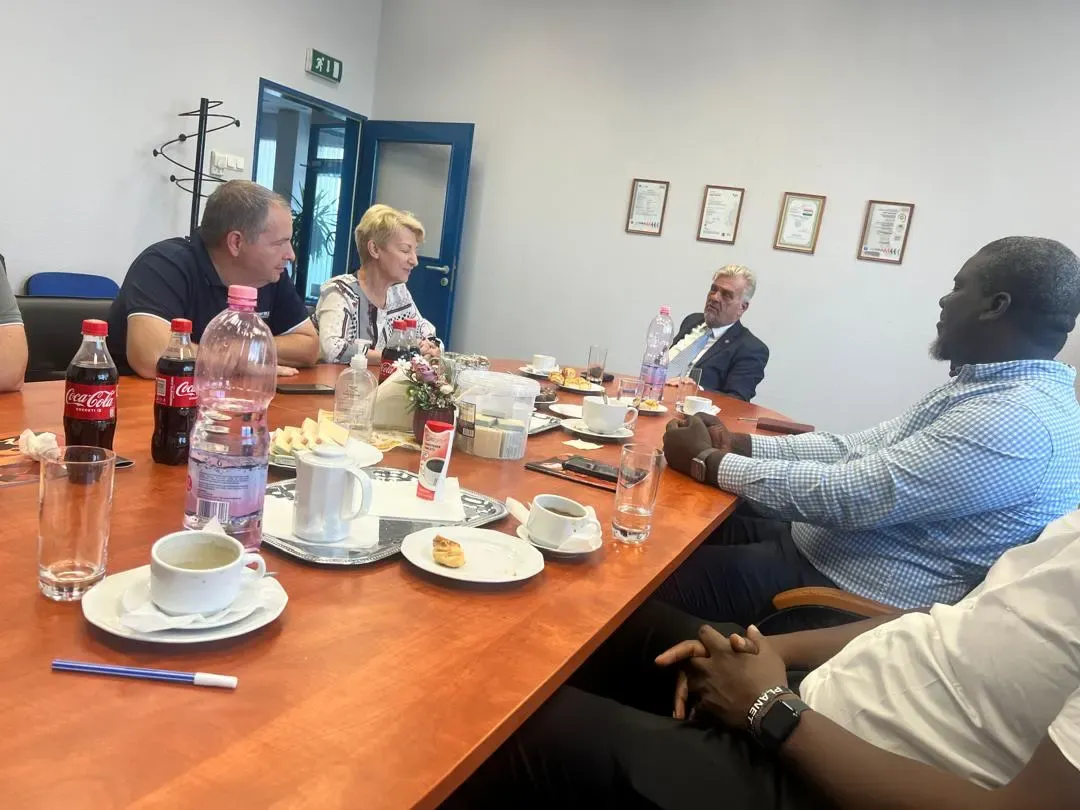
You can read stereotypes online before travelling almost anywhere. My own experience was much simpler: I found Hungarians friendly and welcoming.
Those everyday encounters matter.
A person helping you find somewhere, a conversation at a restaurant, somebody giving directions, or simply being treated warmly as a visitor can influence your impression of a country as much as its monuments.
This is something Gambians understand particularly well. We often speak proudly about the hospitality associated with the Smiling Coast. Travelling reminds you that hospitality can also become one of your strongest memories of somewhere else.
Come hungry
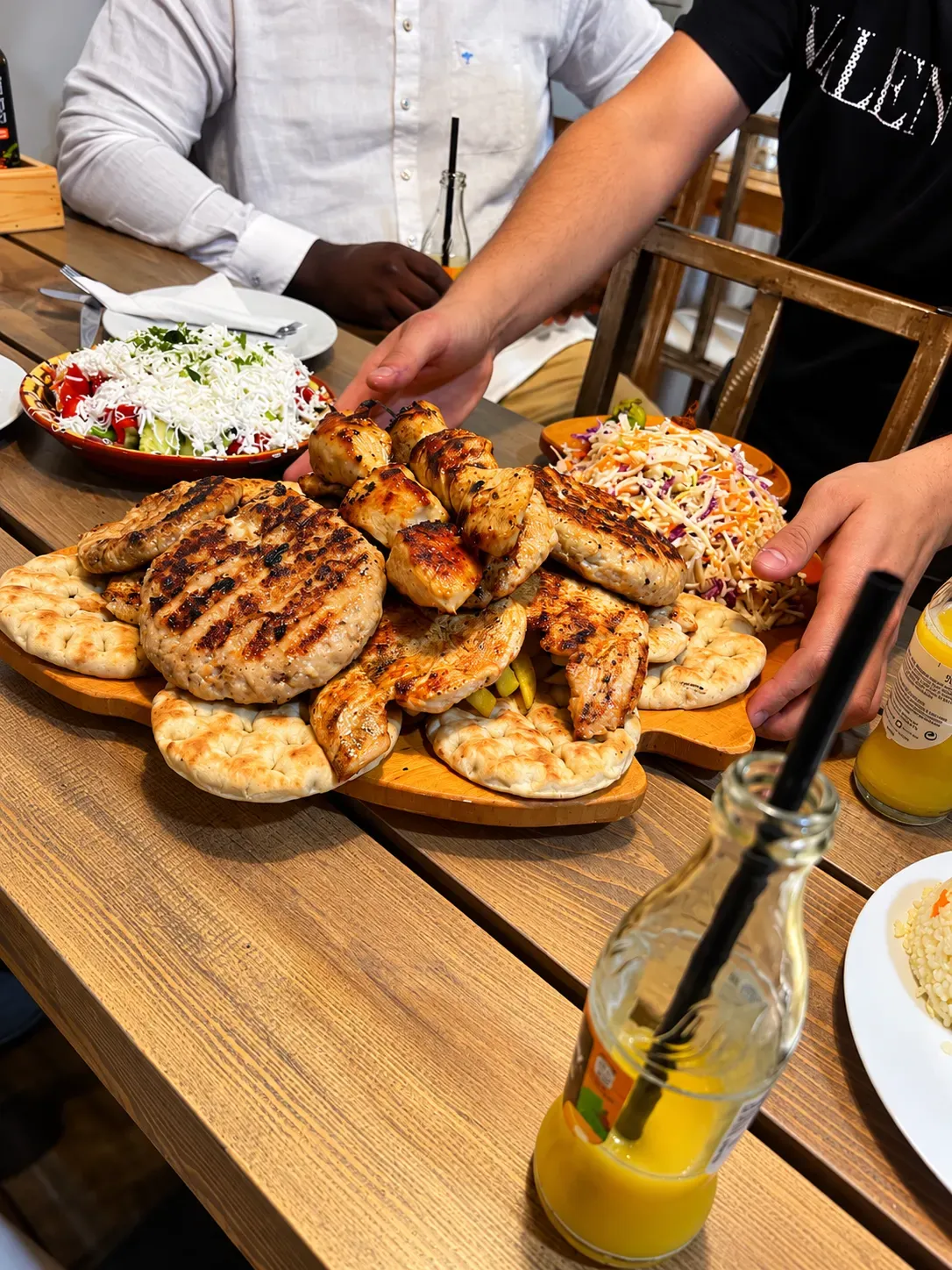
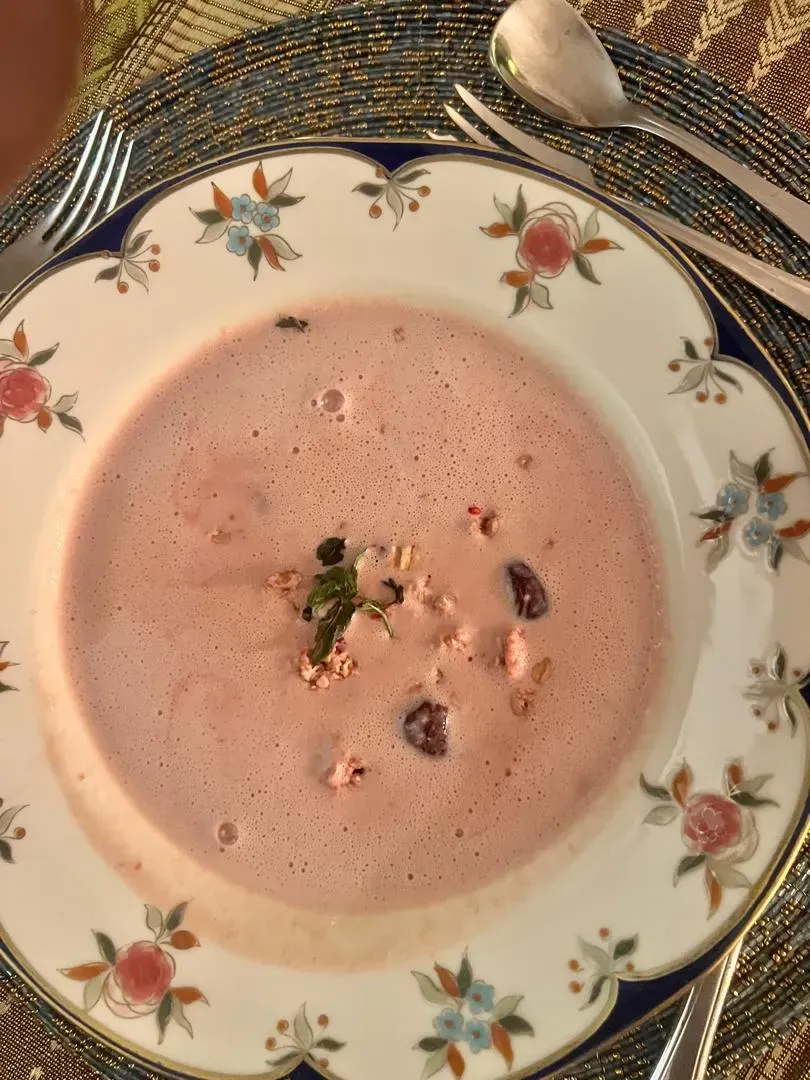
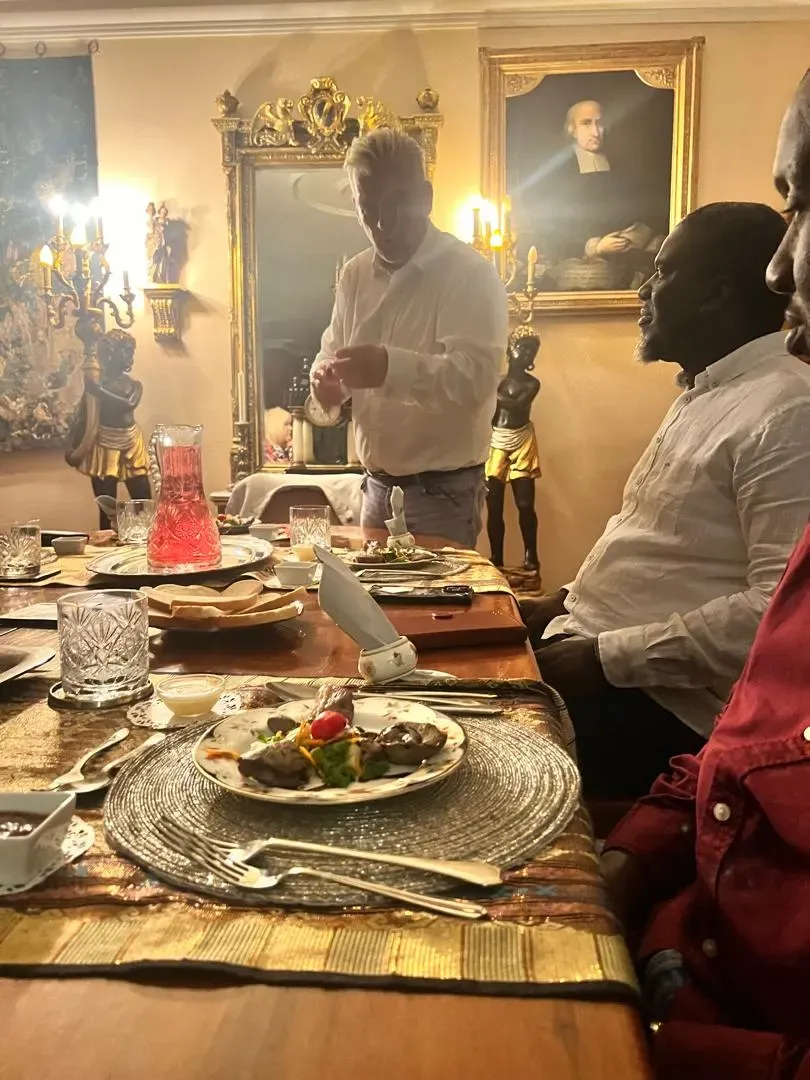
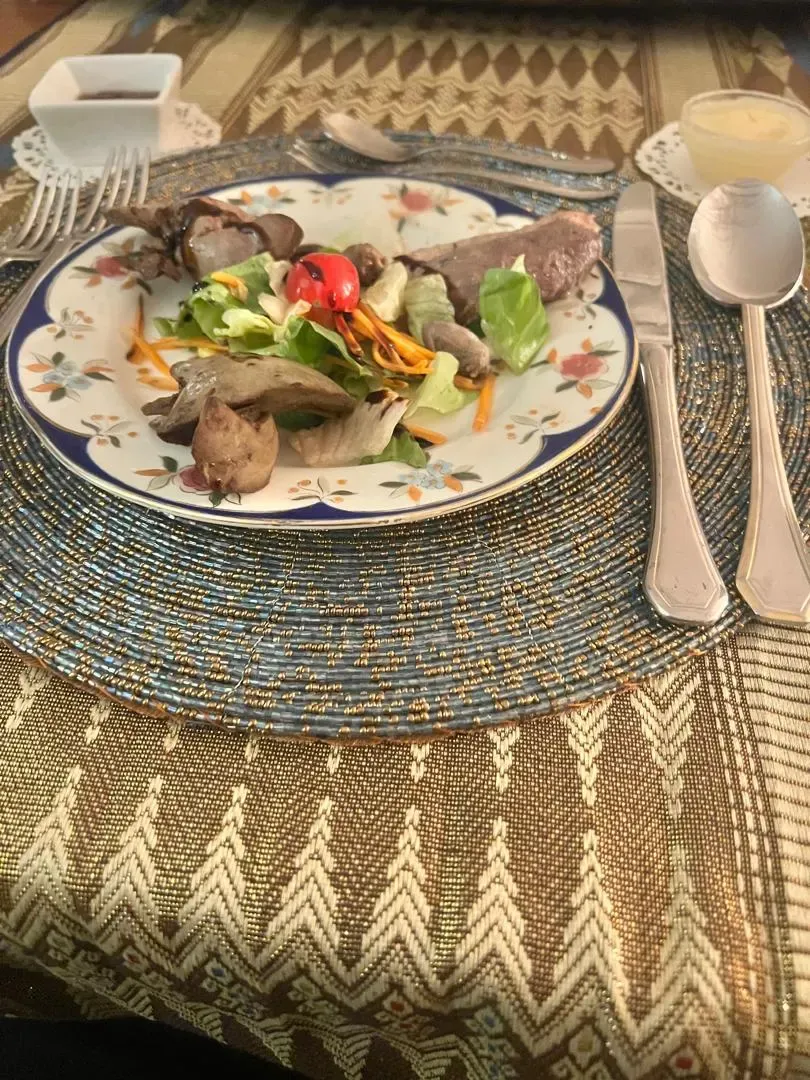
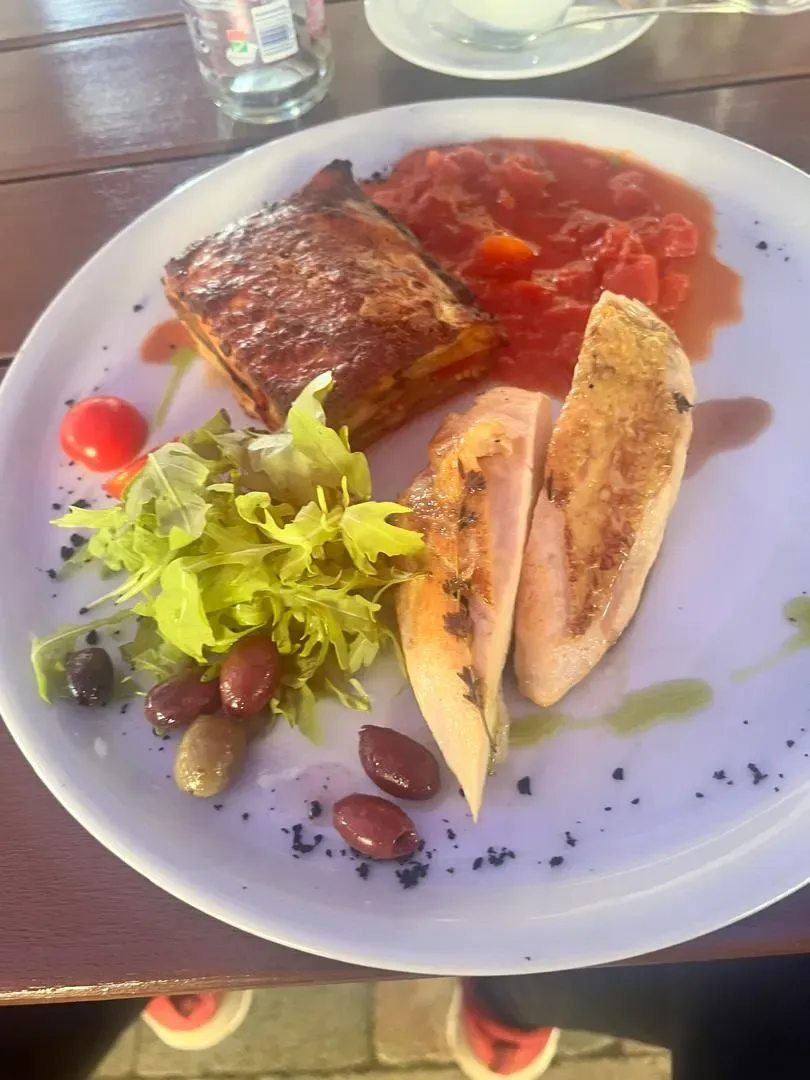
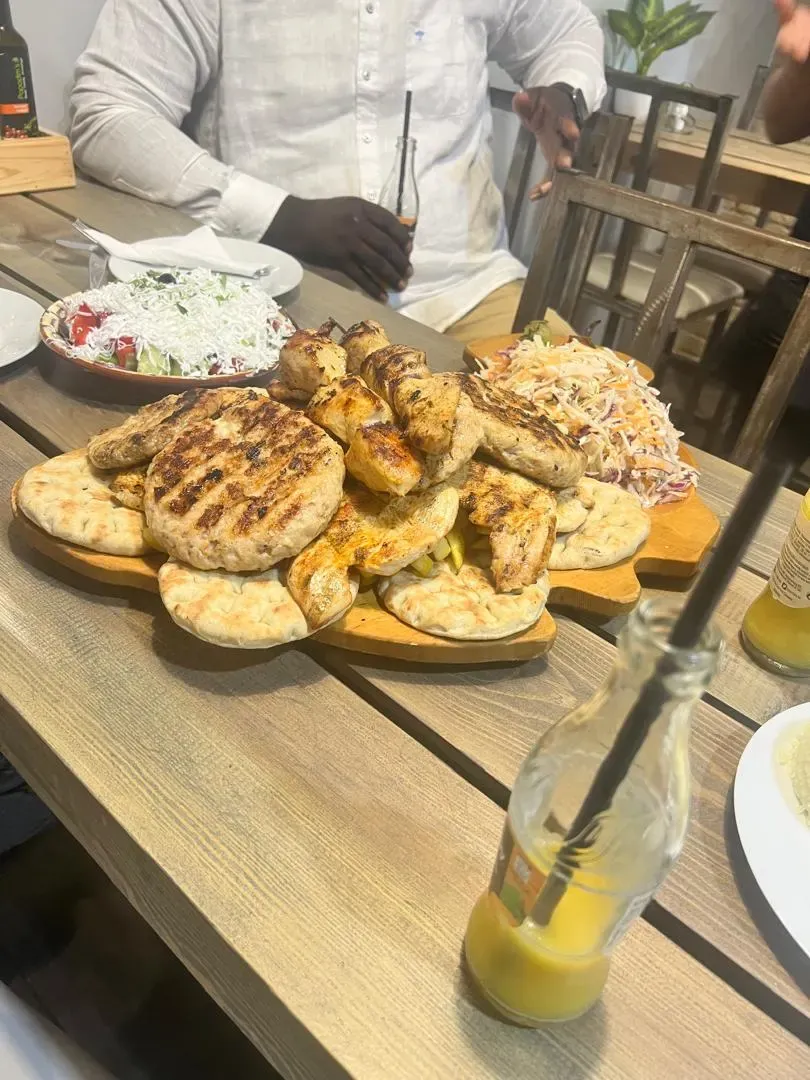
Then there is Hungarian food.
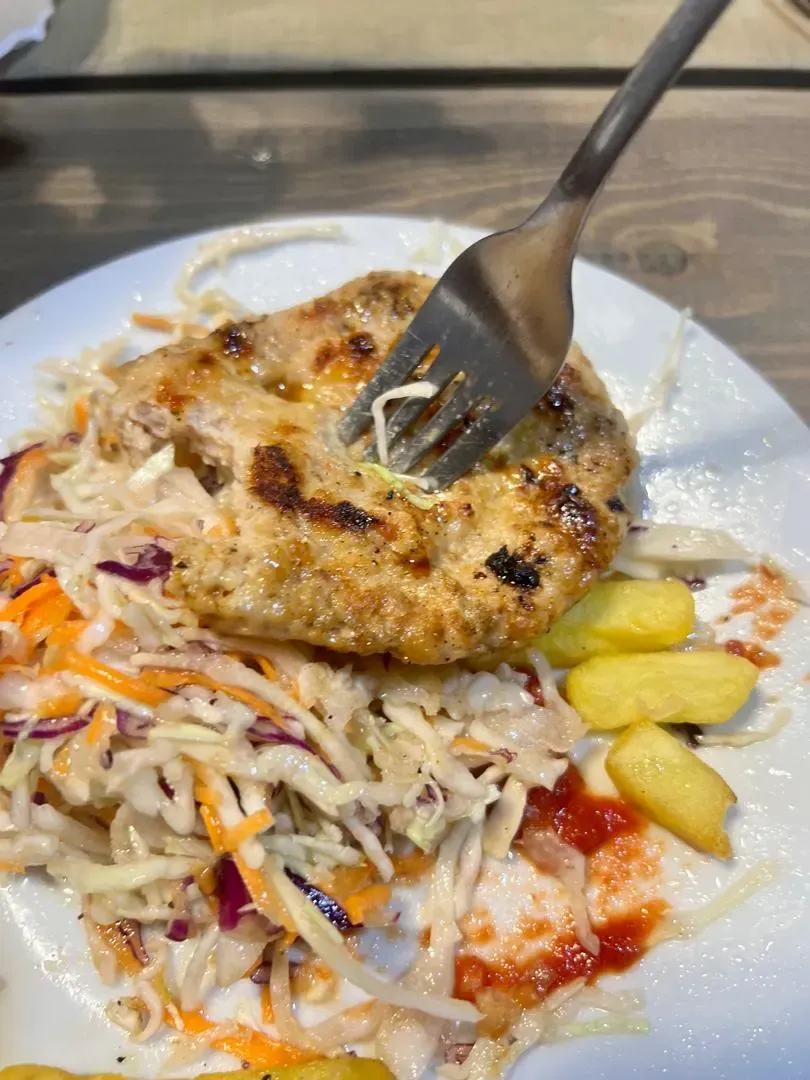
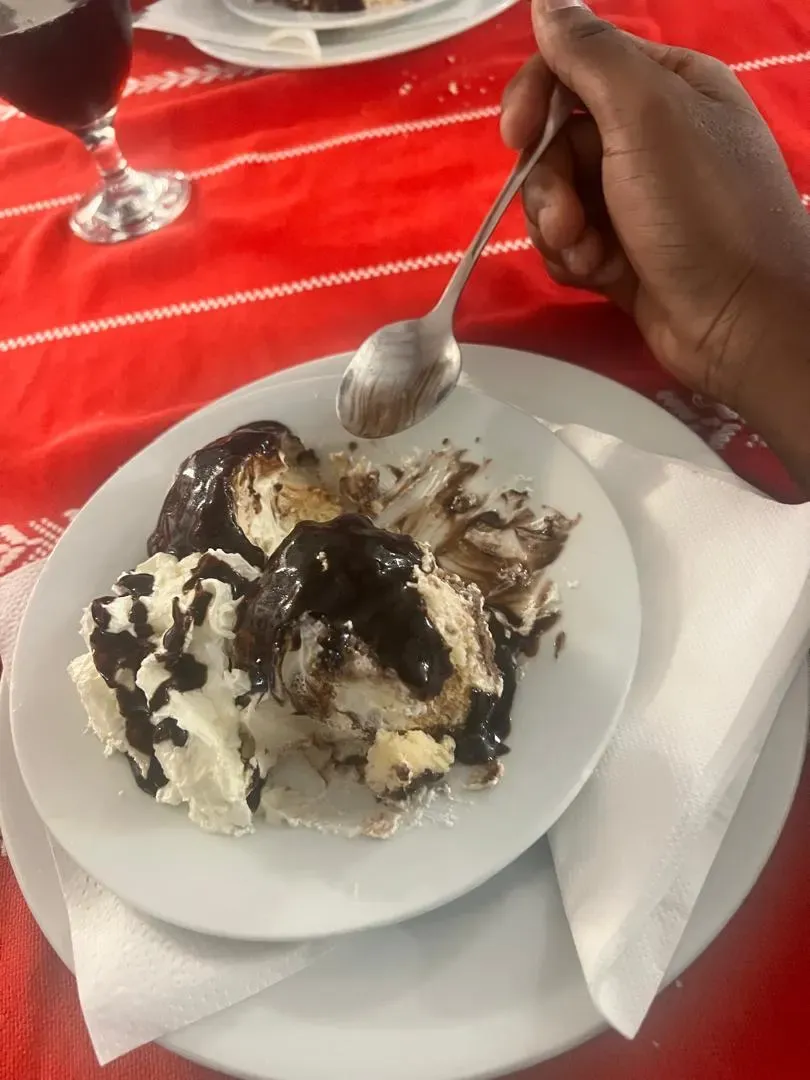
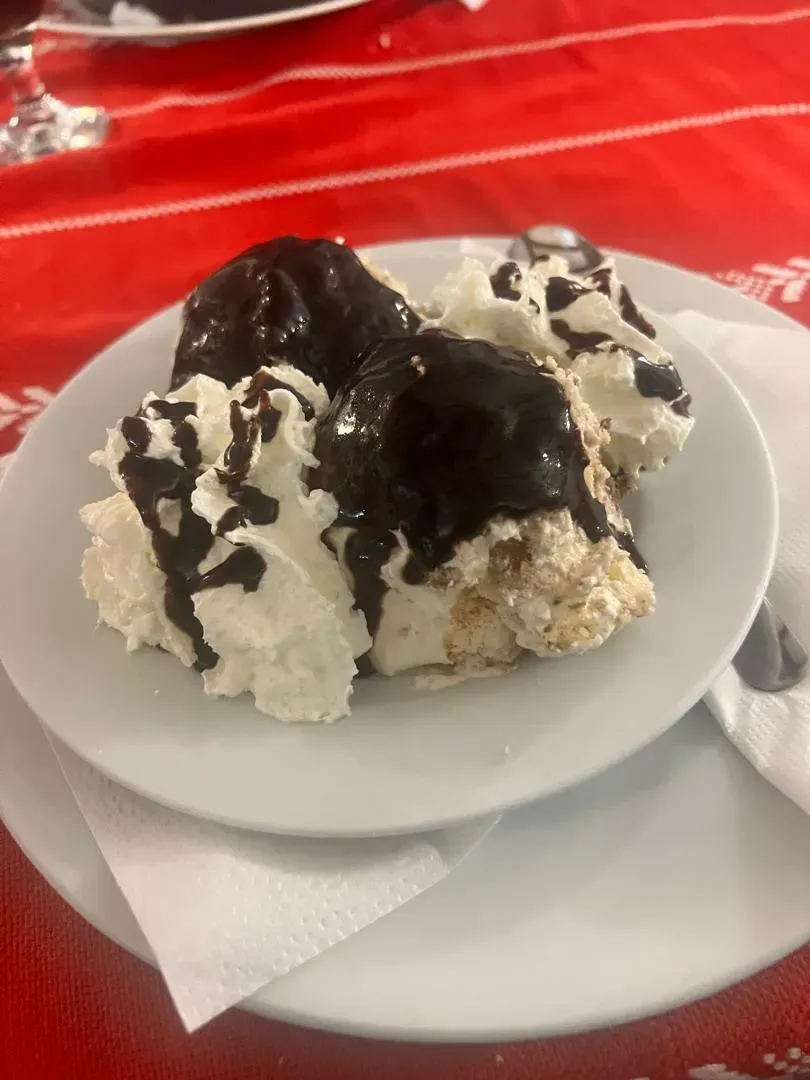
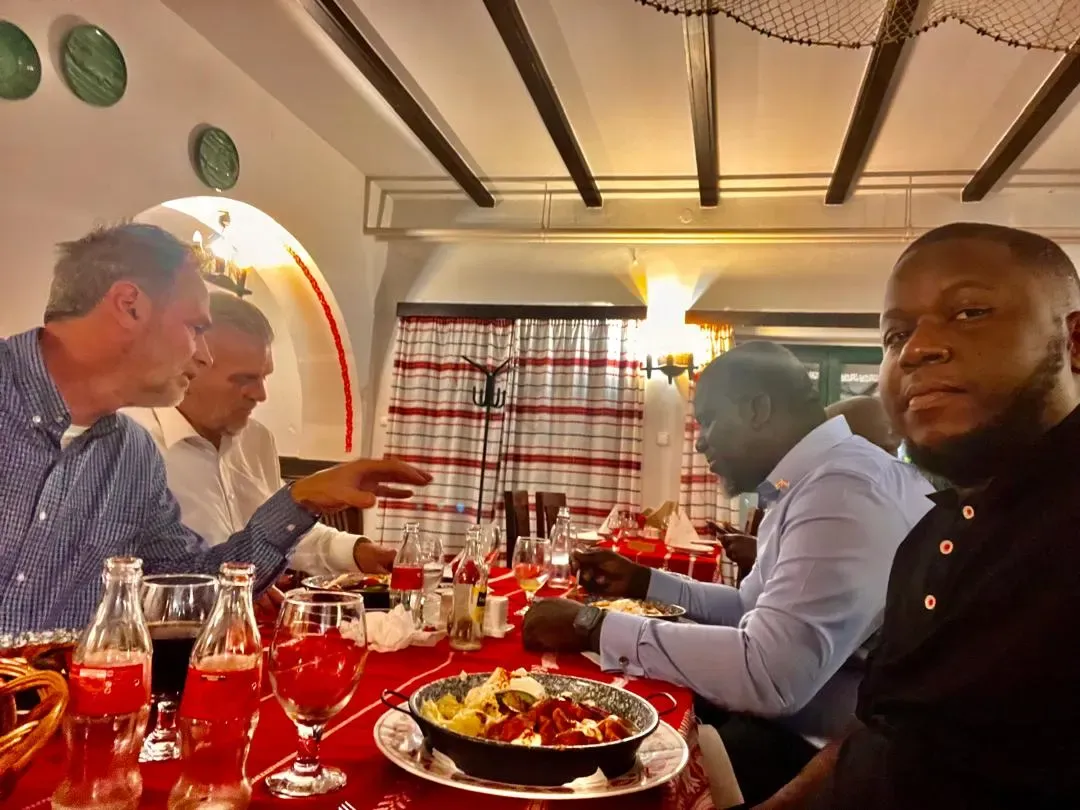
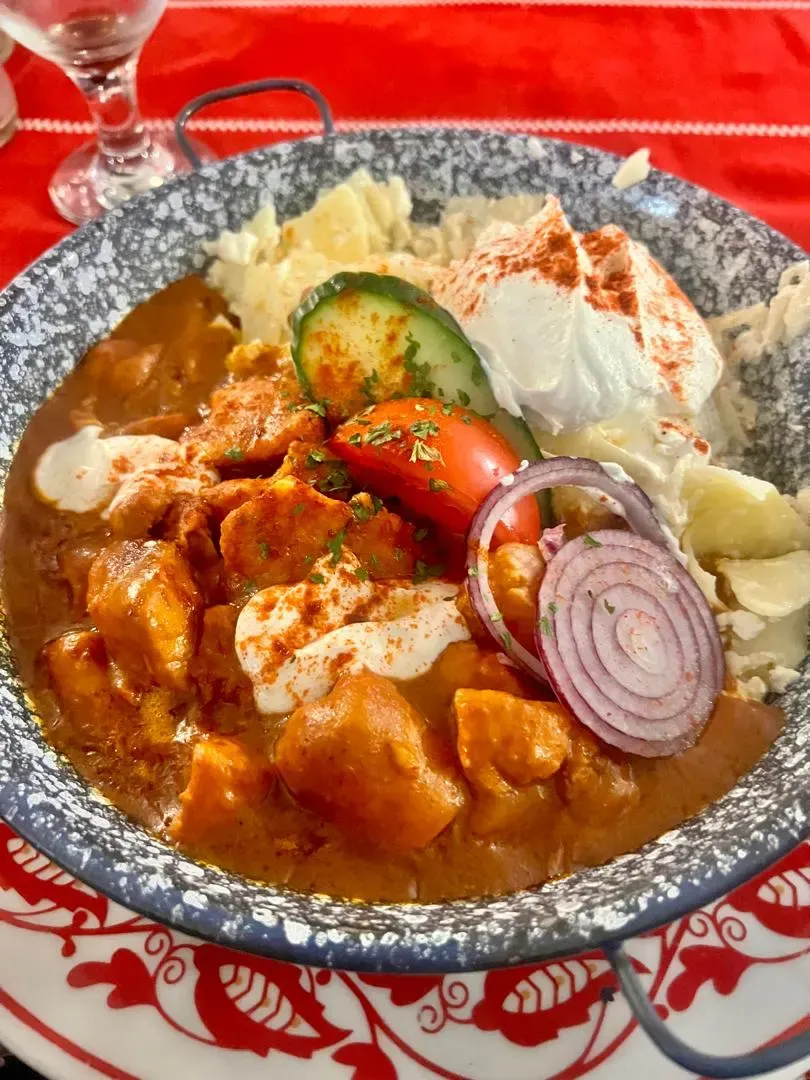
Hungarian cuisine deserves considerably more attention than simply mentioning goulash.
It is a cuisine shaped by hearty flavours, paprika, meats, soups, stews, pastries and regional traditions. Hungary’s official tourism platform itself treats food and wine as one of the country’s major visitor experiences. Visit Hungary
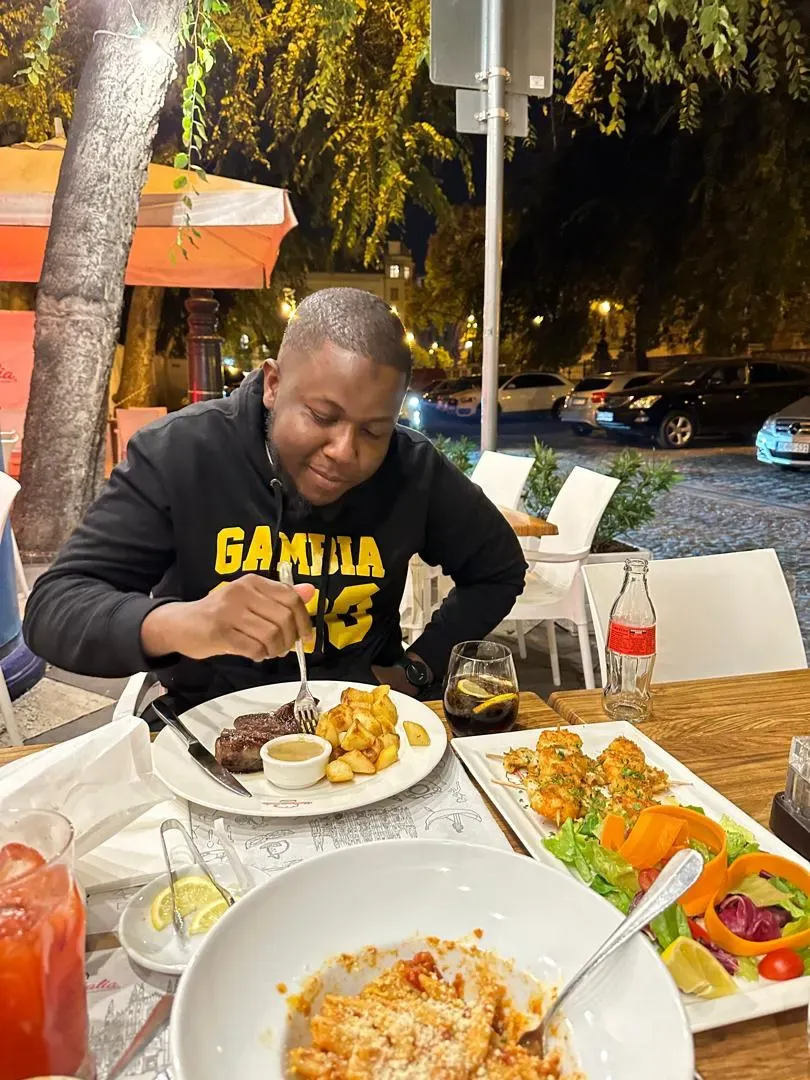
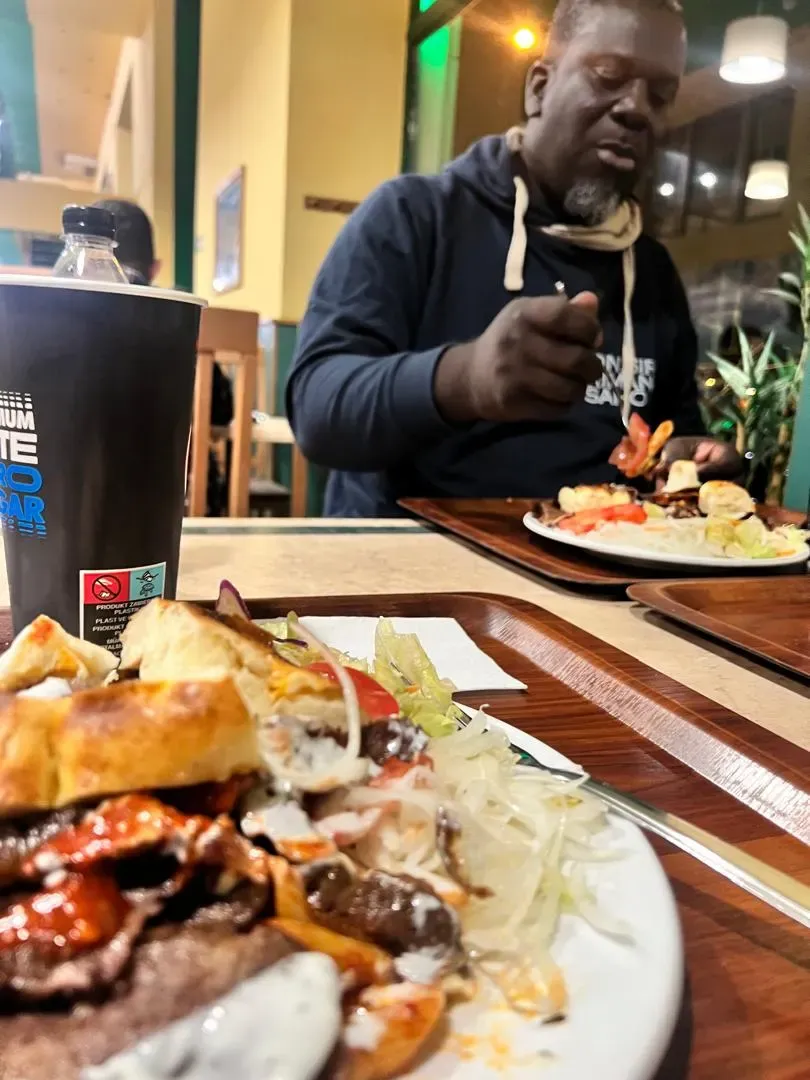
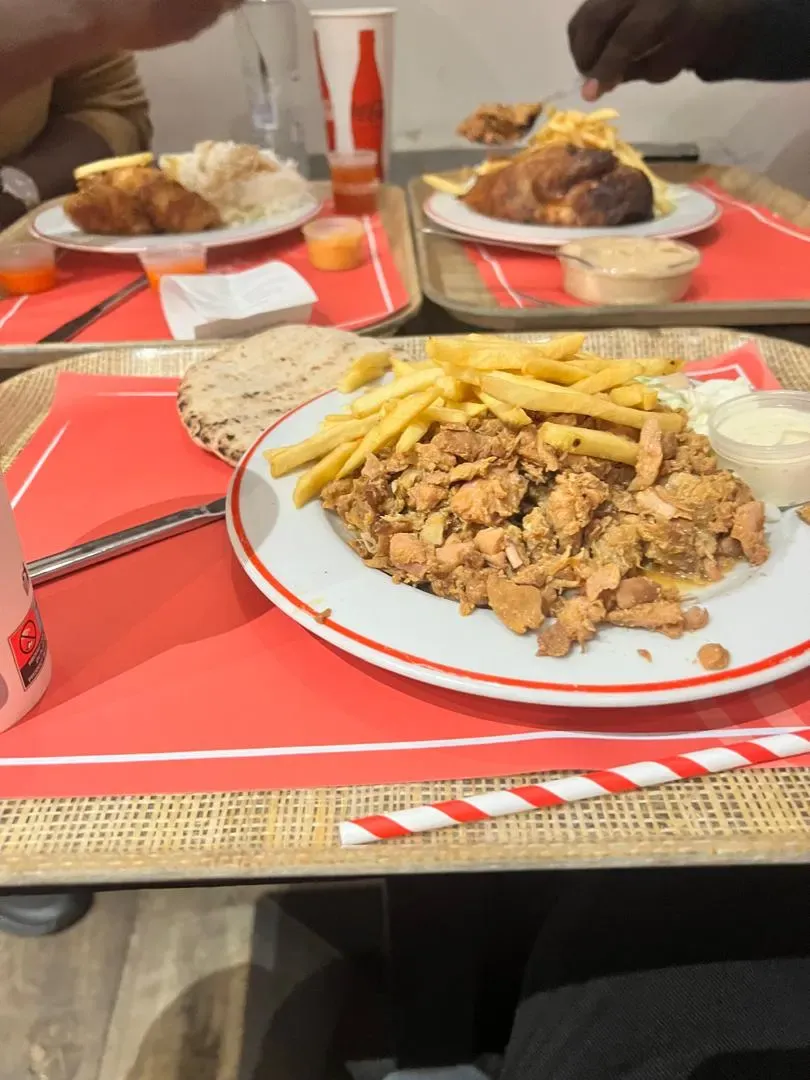
Coming from The Gambia, where food is deeply connected to family and hospitality, this was one of the easiest ways to connect with Hungary.
The ingredients and flavours may be different, but the idea is familiar: food tells you something about the people who prepare it.
Budapest is the introduction, not the whole story
There is also a danger in explaining Hungary entirely through Budapest.
Budapest may be the country’s international showcase, but Hungary extends far beyond its capital.
There is Lake Balaton, a major summer destination; Tokaj, internationally associated with Hungarian wine; historic towns and castles; countryside and national parks; and cities including Debrecen, Pécs, Szeged, Eger and Győr. Hungary’s tourism authority presents these regions alongside Budapest precisely because the country’s cultural and natural experiences are spread much further. Visit Hungary
And beneath the country lies another remarkable feature: thermal water.
Hungary’s thermal-bathing tradition has produced the famous bathhouses of Budapest and spa destinations elsewhere in the country. It is sufficiently distinctive that we have explored it separately in our “Hungary Beneath the Surface” feature.
A country of history that still feels alive
Hungary also becomes more interesting when you realise just how much history surrounds everyday life.
Roman settlements, medieval kingdoms, Ottoman influence, the Austro-Hungarian era, two World Wars, the 1956 Revolution and decades under socialism all form layers of the country’s story.
Yet Hungary is not simply preserving its past behind museum doors.
Historic buildings remain part of functioning cities. Old architecture sits beside modern infrastructure. Cafés occupy historic streets. Trams pass monumental buildings. Young students travel through spaces that have witnessed generations of Hungarian history.
That mixture of old and new is part of Budapest’s character.
Hungary through Gambian eyes
Perhaps this is where a website connecting Hungary and The Gambia can offer something different.
We do not only want to tell Gambians where Hungary is.
We want to explain what it feels like to experience it.
The Gambia and Hungary are geographically, climatically and historically very different countries. A Gambian arriving in Budapest may immediately notice the architecture, efficient public transport, different foods and depending on the season a dramatic change in temperature.
A Hungarian arriving in The Gambia may instead notice the warmth, Atlantic coastline, roadside activity, extended social interactions and a completely different rhythm of everyday life.
But travelling also reveals similarities.
People still gather around food. They follow football. They take pride in their traditions. Families matter. People enjoy welcoming visitors into the places they call home.
Perhaps that is one of the quieter purposes of travel: countries stop being names on maps and become people, meals, conversations and memories.
Having visited Hungary myself, Budapest is no longer simply a European capital I can describe from a distance.
I remember walking its streets. I remember its cleanliness. I remember the food. I remember the people.
And I look forward to returning again and again.