Hungary Expands Renewable Energy Plans to Strengthen Energy Security
Hungary's government has outlined plans to expand wind and solar power as part of a wider strategy to reduce energy-import dependence and improve electricity affordability. The development highlights the connection between energy security, economic competitiveness and international relations.
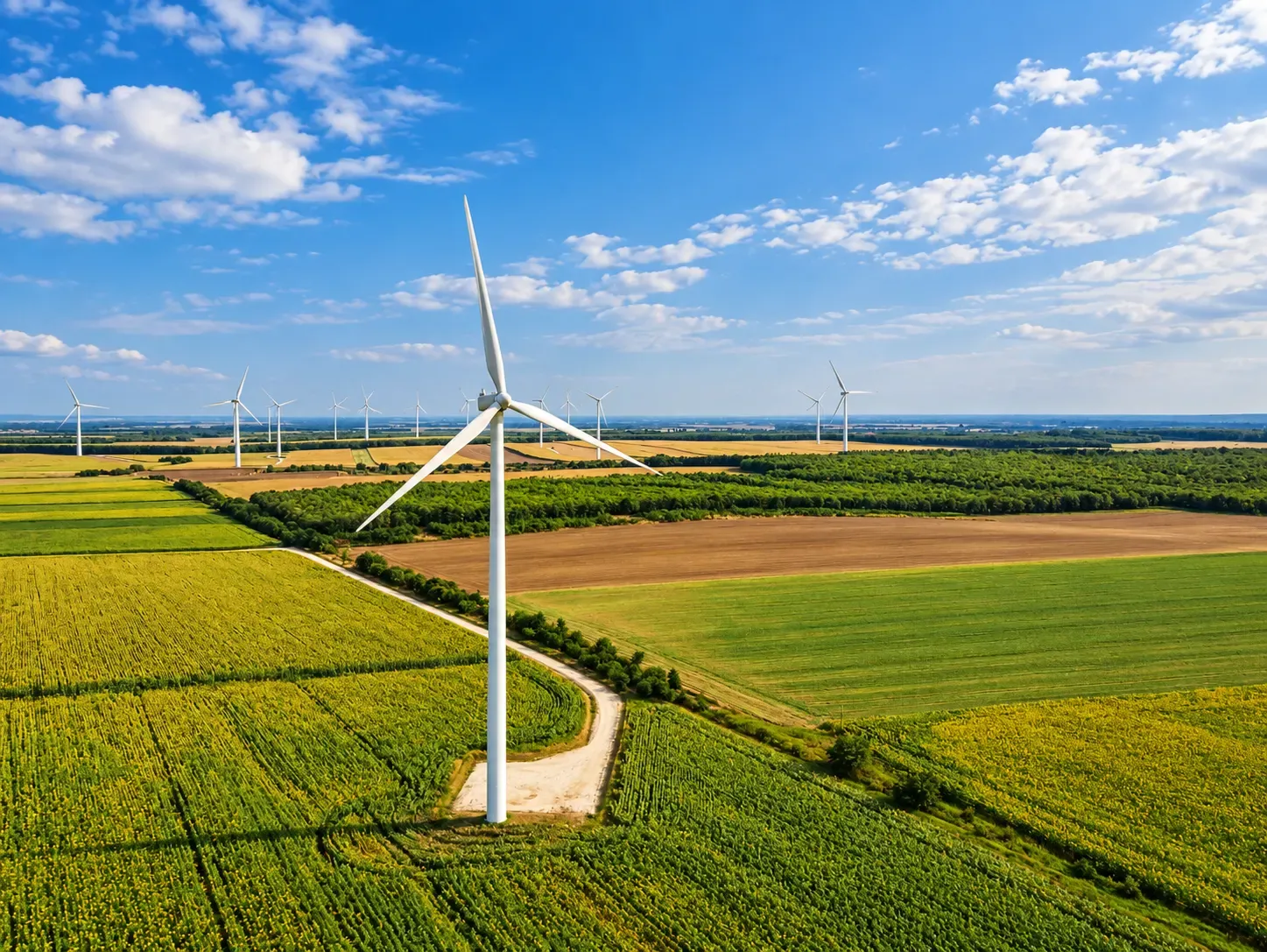
Hungary Looks Towards Greater Energy Independence
Hungary is planning a significant expansion of renewable electricity generation as part of efforts to reduce dependence on imported energy and improve the affordability of electricity for businesses.
According to a Reuters report published on 8 October 2026, the government of Prime Minister Péter Magyar intends to accelerate investment in renewable energy, particularly wind power, alongside Hungary’s existing solar-generation capacity.
Speaking at an energy conference, State Secretary for Energy Affairs András Tótth identified energy-import dependence and high electricity costs as important challenges facing the Hungarian economy.
The announcement comes at a time when energy security remains a major concern for European countries seeking to balance economic growth, affordability and reliable electricity supplies.
Expanding Wind and Solar Capacity
Hungary has developed substantial solar-generation capacity, with nearly nine gigawatts installed, according to Reuters.
The government’s new direction places greater emphasis on wind energy.
An initial tender for approximately 700 megawatts of wind capacity was launched in August 2026. The wider ambition is to increase wind capacity to approximately four gigawatts by 2030 and more than six gigawatts by 2040.
These figures represent planned development rather than electricity capacity already installed.
Solar and wind power can complement one another, but their integration requires investment in electricity networks, storage and other measures to maintain reliable supply.
Why Energy Security Matters
Energy security is the ability of a country to obtain sufficient, reliable and affordable energy.
It is an economic issue, but it is also an international-relations issue.
Countries that rely heavily on imported energy may be vulnerable to international price fluctuations, disruptions to supply routes and geopolitical tensions.
Hungarian energy officials have identified the country’s substantial dependence on energy imports as an important economic and strategic vulnerability.
Increasing domestic renewable generation could help reduce some of these risks, although it will not eliminate the need for imported fuels or other energy sources.
The Continuing Role of Nuclear Energy
Hungary’s electricity system also relies on nuclear power.
The Paks nuclear power station remains a major source of electricity, and the government intends to retain nuclear generation alongside the expansion of renewable energy.
According to Reuters, the administration is considering extending the operating life of the existing Paks reactors, which officials regard as an economically competitive source of electricity.
This illustrates an important feature of energy planning: countries frequently require a combination of generation technologies to meet electricity demand reliably.
What This Means for International Cooperation
Energy policy increasingly influences diplomacy, investment and regional economic relations.
Electricity interconnections, energy imports, infrastructure financing and technology development often require cooperation between governments and private-sector institutions.
Hungary’s renewable-energy plans therefore extend beyond environmental considerations. They are also connected to economic competitiveness and the country’s position within European energy markets.
Lessons for The Gambia
Hungary and The Gambia have different economic circumstances, electricity systems and energy resources. Nevertheless, Hungary’s experience offers useful points for discussion.
The Gambia has considerable potential for solar-energy development, while reliable electricity remains important for industrial growth, tourism, healthcare and public services.
Hungary’s approach highlights the importance of diversifying electricity sources, investing in grid infrastructure and considering the long-term costs of energy dependence.
It also demonstrates why technical training, maintenance capacity and investment planning are essential components of energy development.
These are comparative lessons rather than evidence of an announced Hungary–Gambia energy partnership.
Looking Ahead
Hungary’s renewable-energy ambitions represent a significant policy direction, but their success will depend on financing, infrastructure development and implementation.
For readers in Hungary and The Gambia, the development offers a useful reminder that energy security is about more than electricity production. It is also about economic resilience, national planning and a country’s ability to respond to an uncertain international environment.