Planet Budapest 2023: Hungarian Innovation Through Gambian Eyes
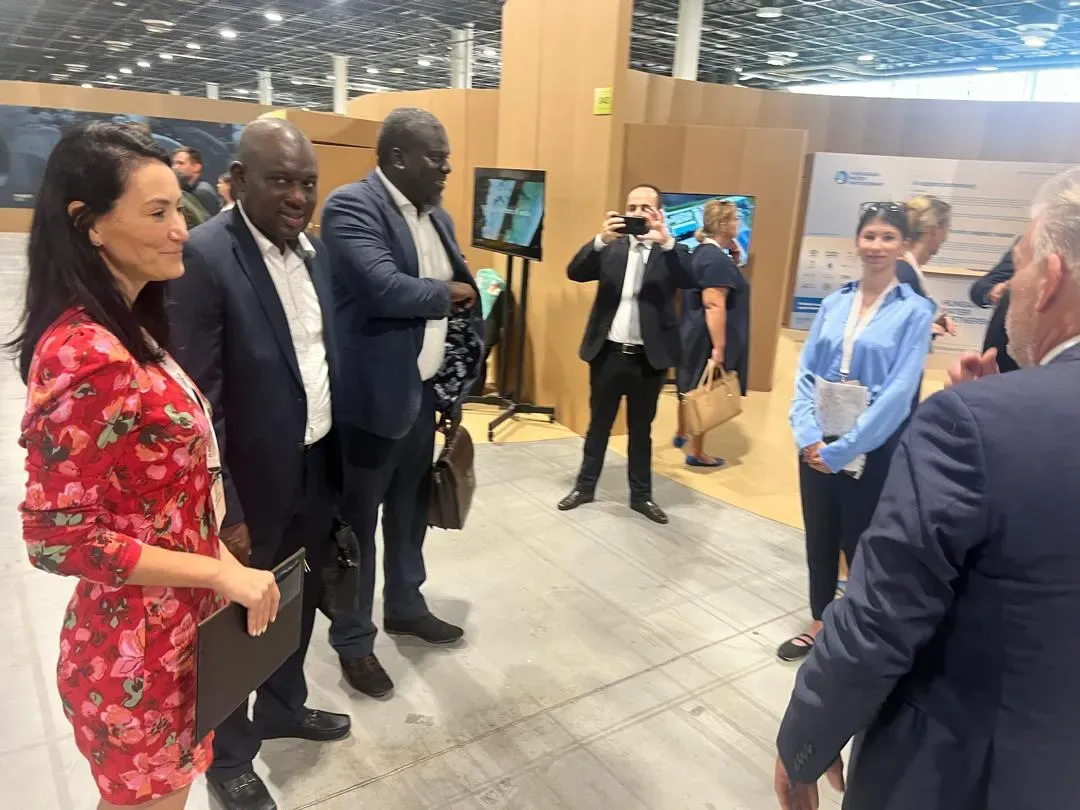
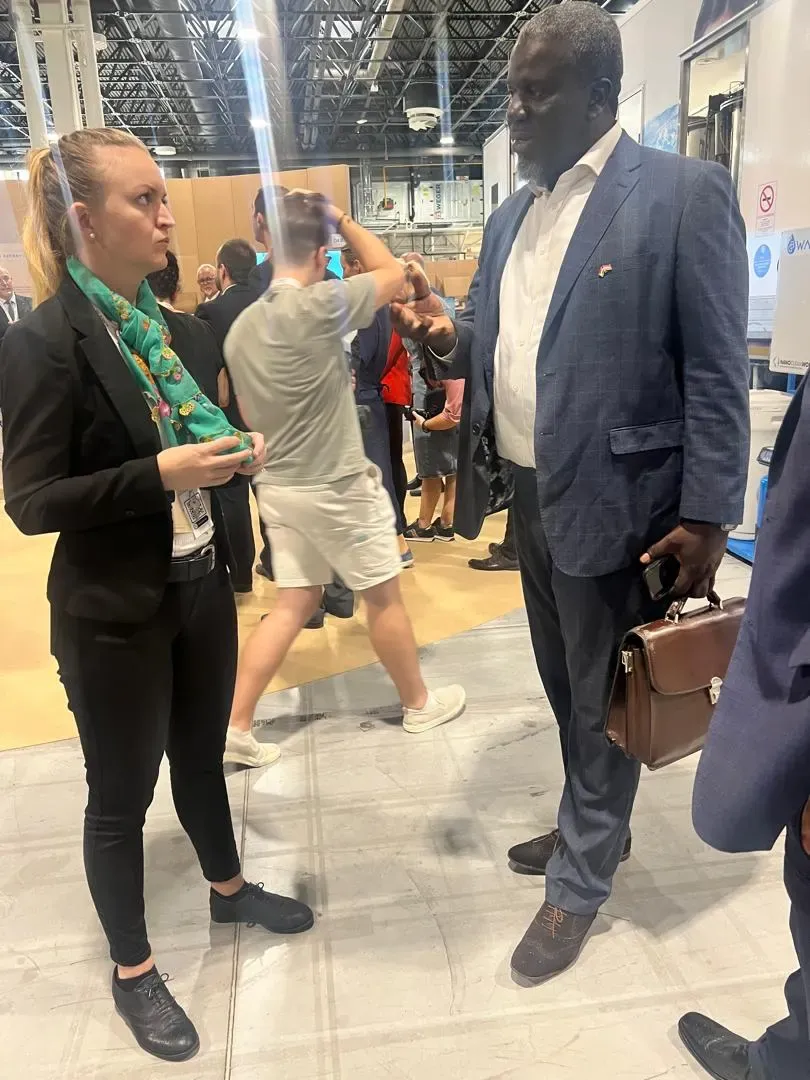
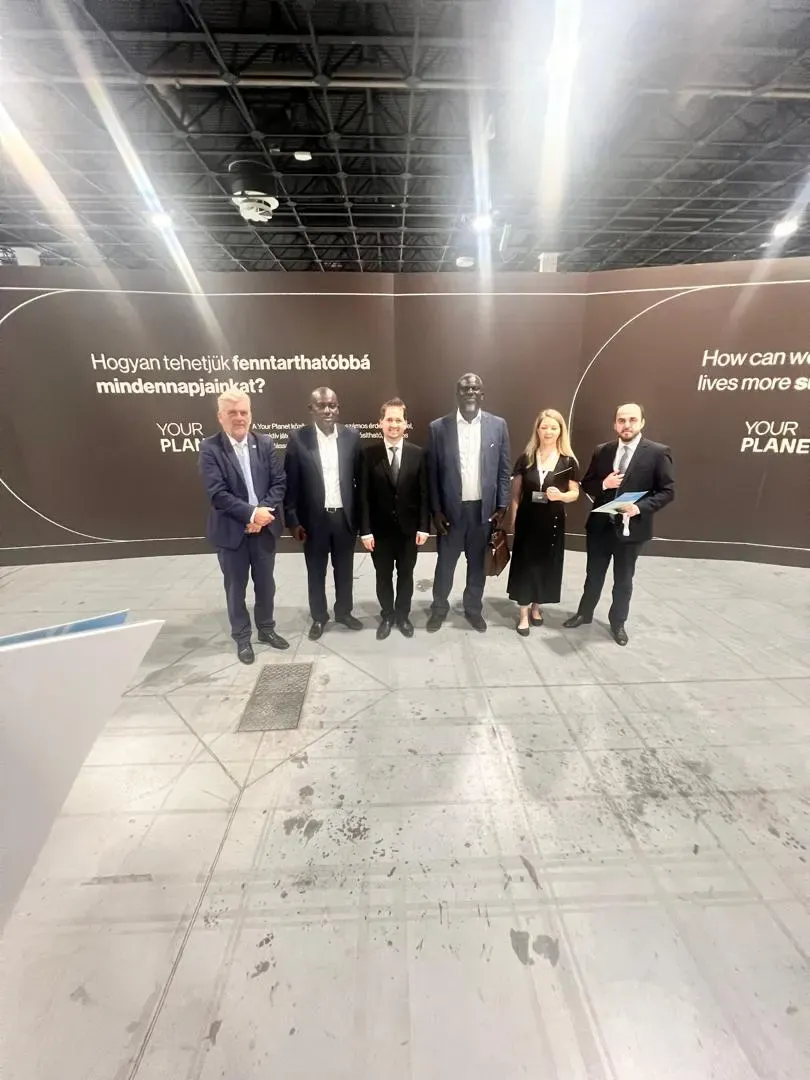
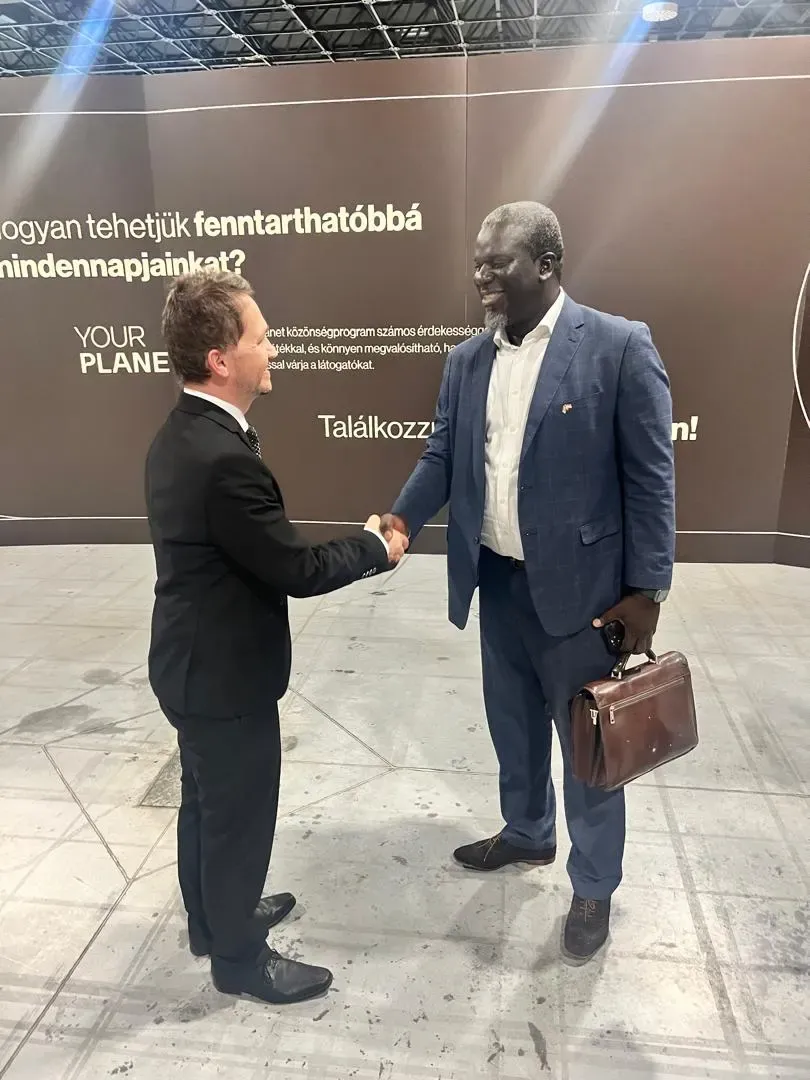
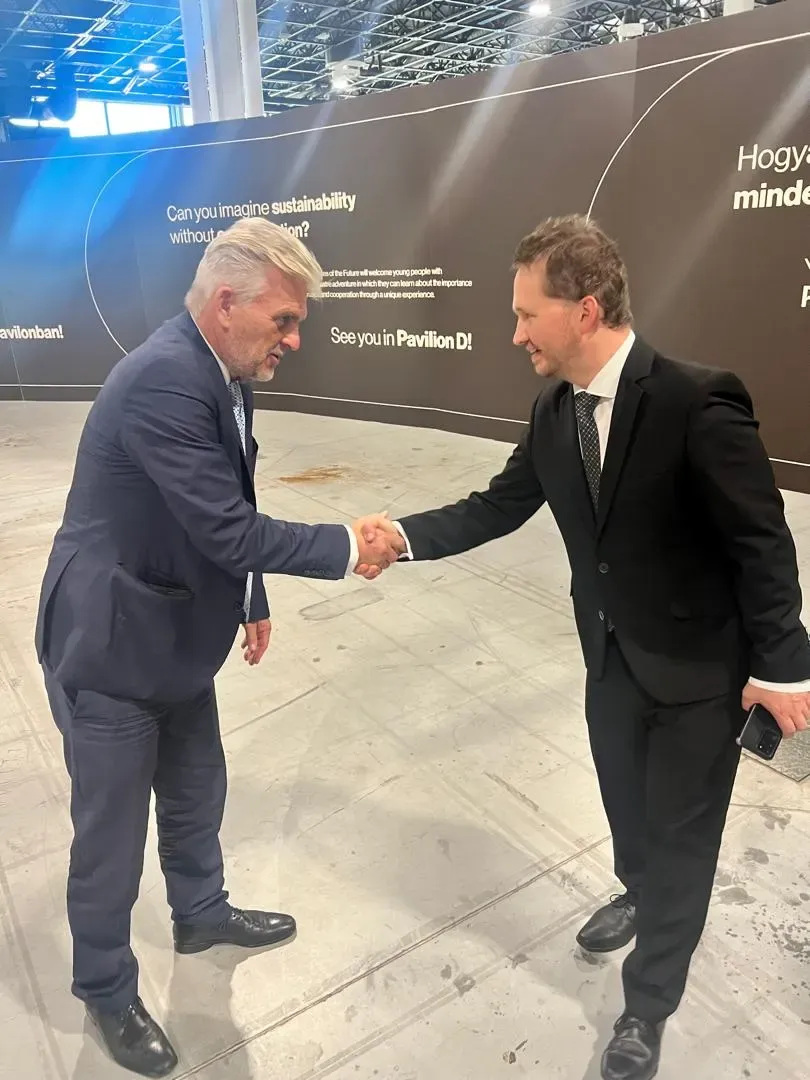
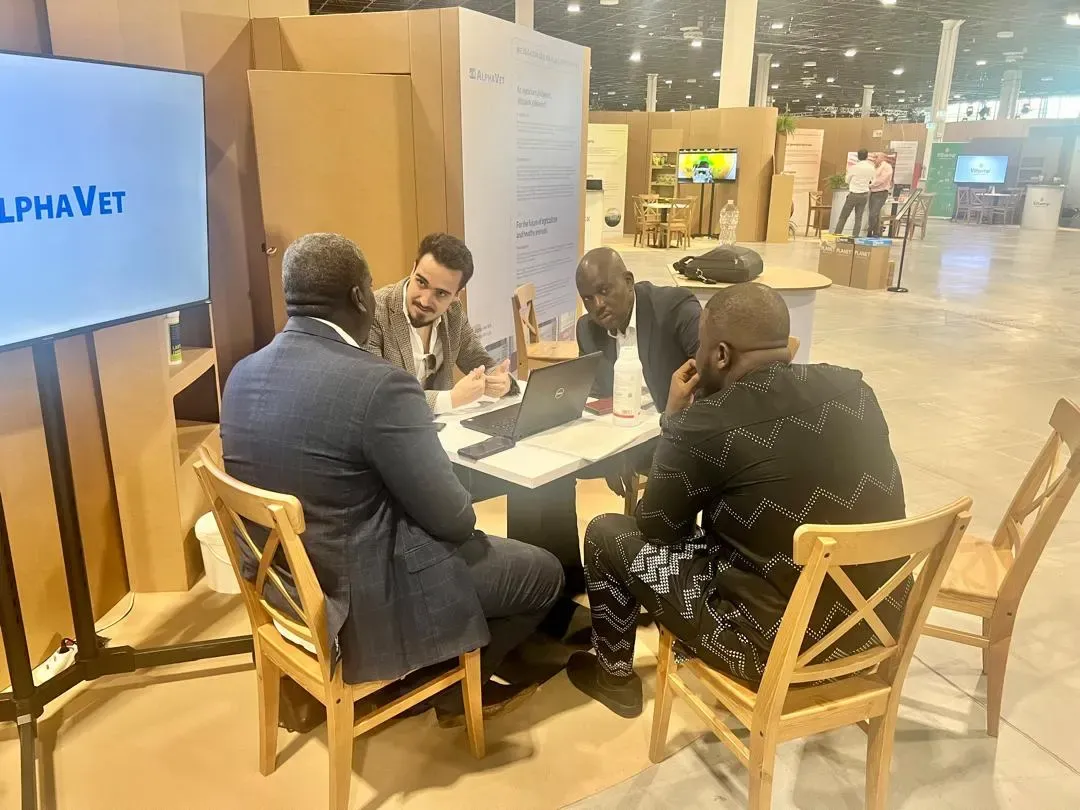
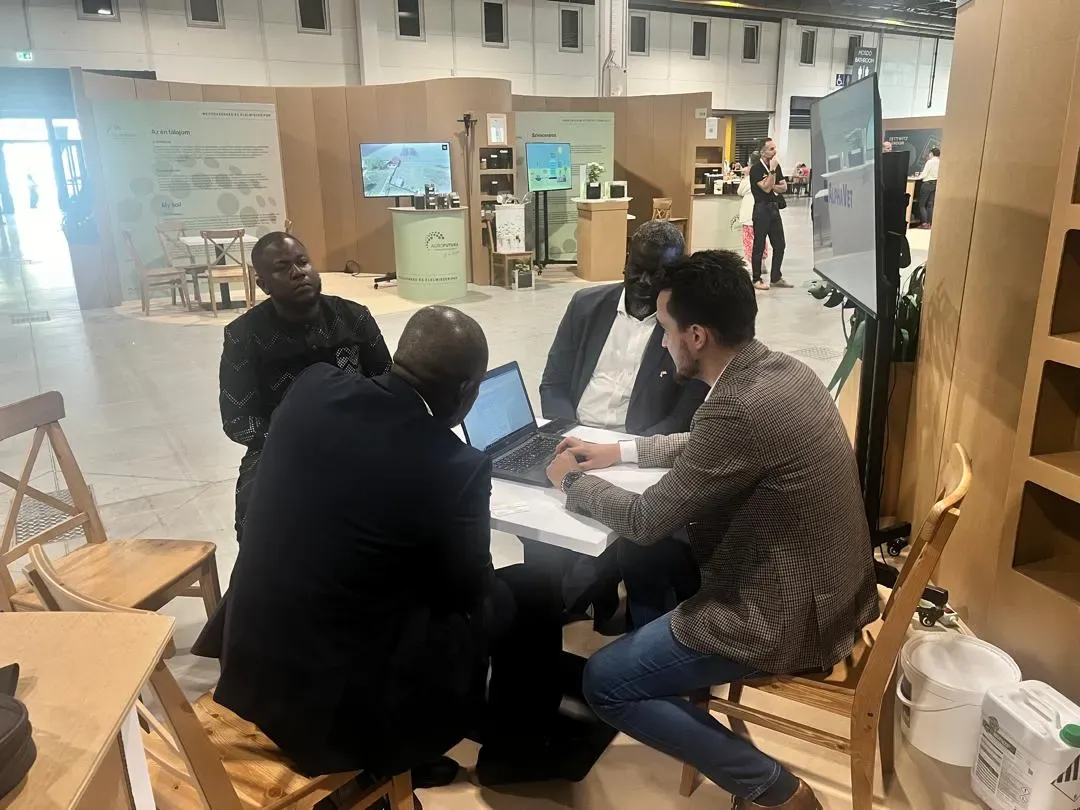
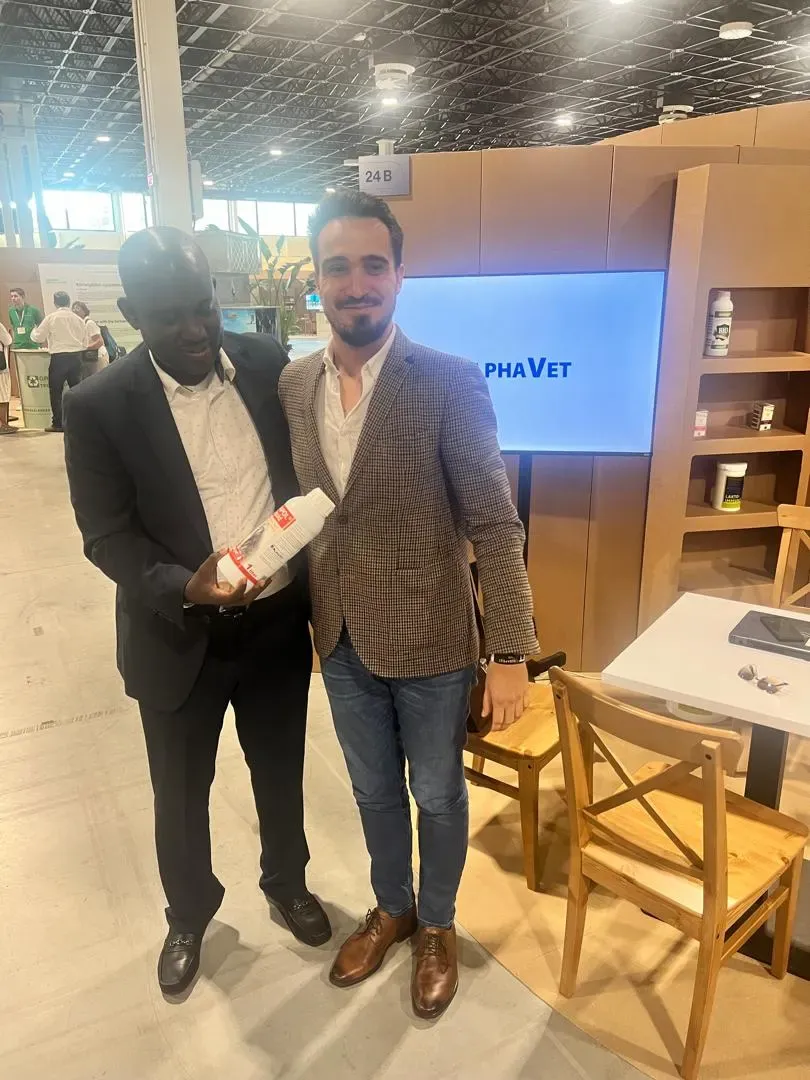
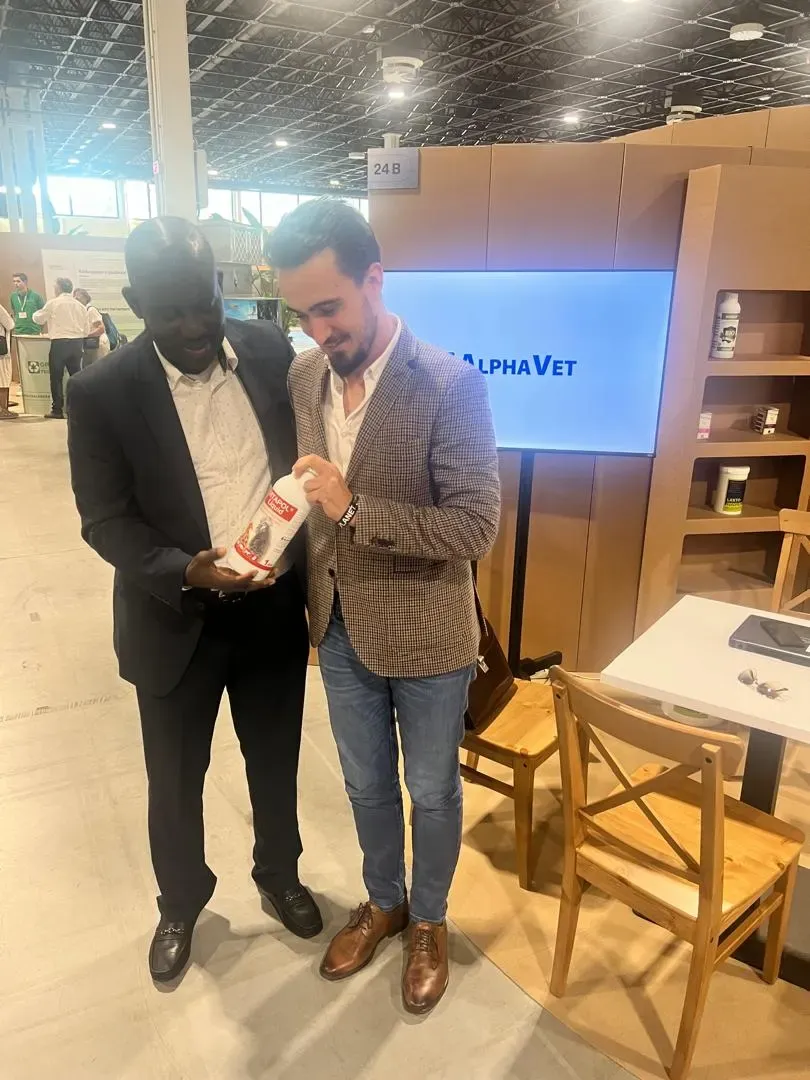
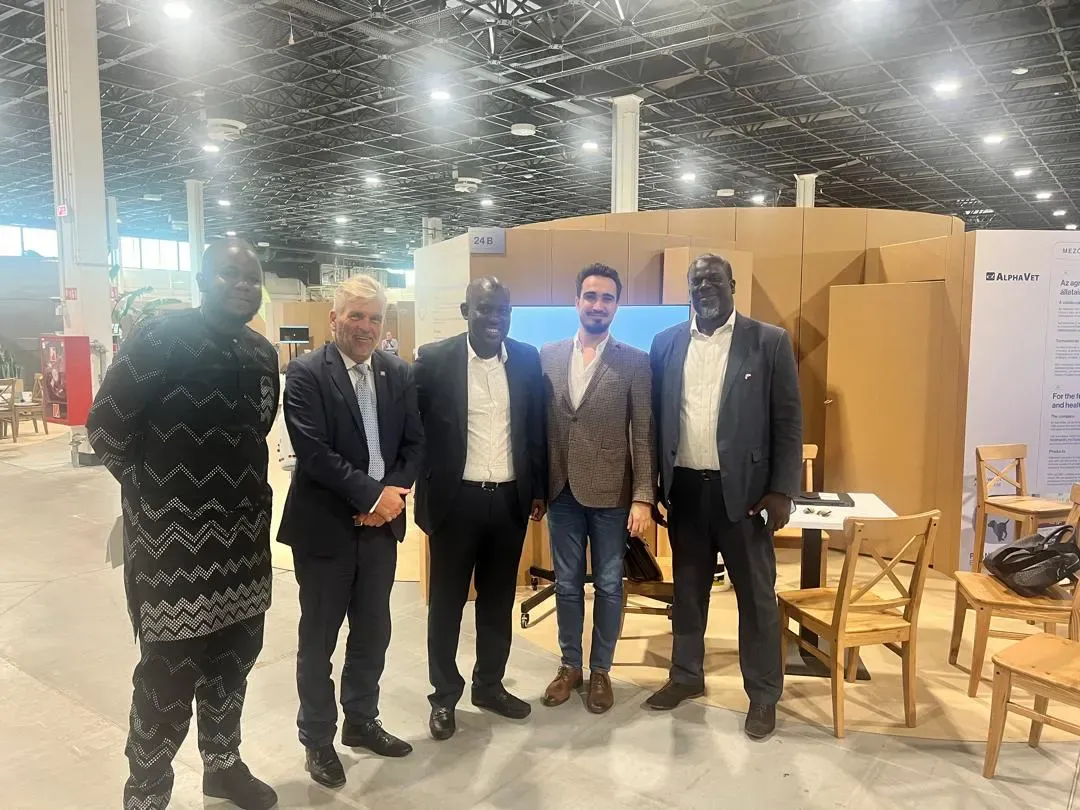
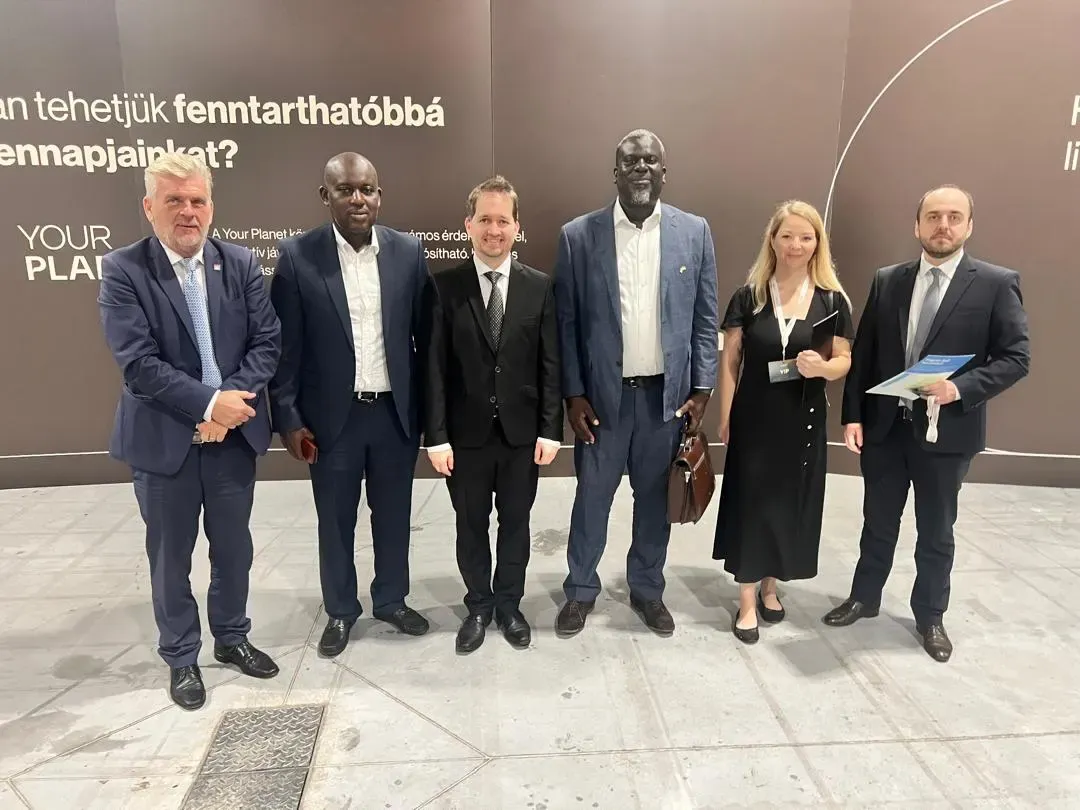
There is a difference between hearing about sustainability and actually seeing what it can look like in practice. In 2023, our delegation from The Gambia had the opportunity to visit Planet Budapest, Hungary’s major sustainability exhibition. The delegation included the Honorary Consul of Hungary to The Gambia, his Assistant and Gambian business representatives. For us, it was not simply another exhibition. We were visiting from a country where questions around agriculture, waste, water, energy and development are part of everyday conversations. So naturally, as we walked around, we were looking at many of the solutions through Gambian eyes.
Even the exhibition told a story
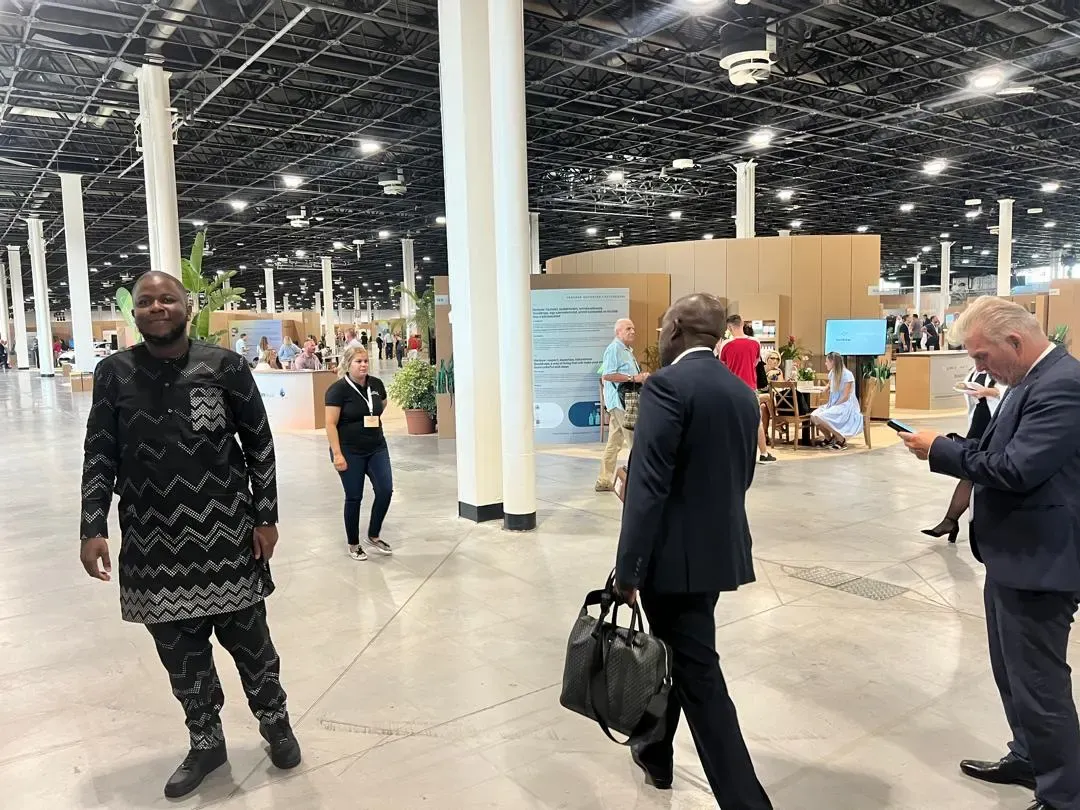
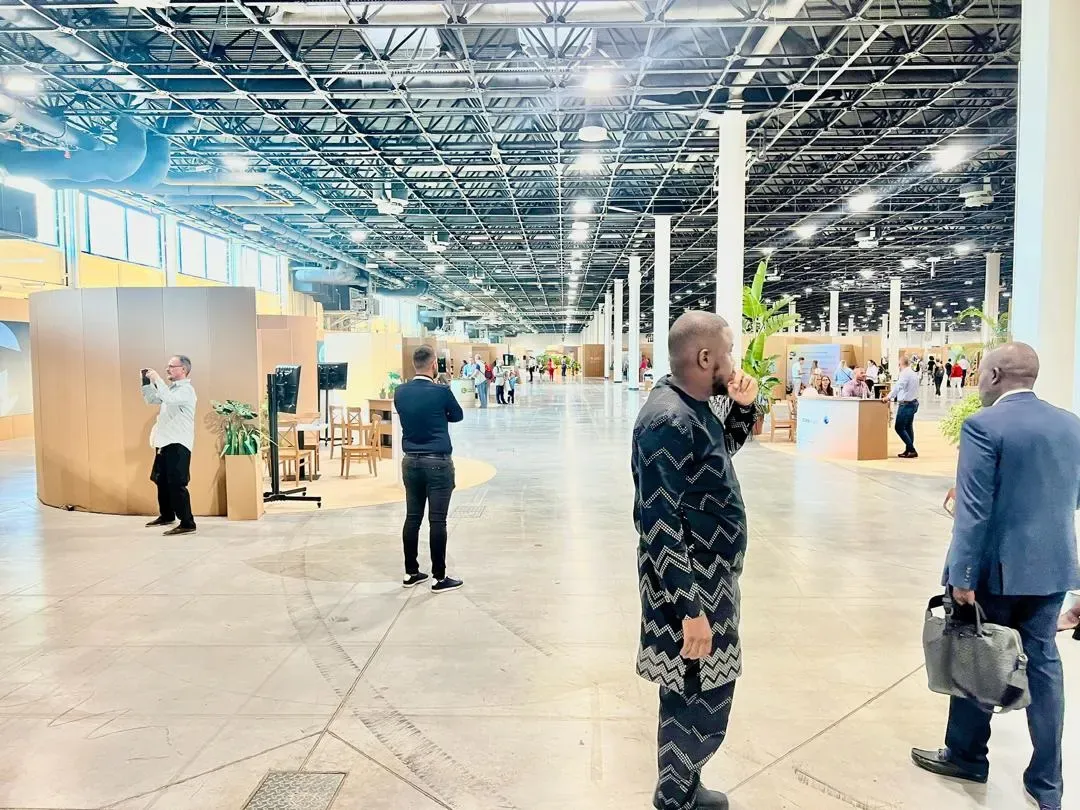
One of the first things that caught our attention was the way the exhibition itself was set up.
Sustainability was not only something written on banners or discussed by speakers. We could see the effort to incorporate environmentally friendly, reusable and sustainable materials into the exhibition spaces themselves.
That immediately made the concept more practical. The message was not simply, “we need to protect the environment.” It was also: here are things people and businesses are actually doing about it.
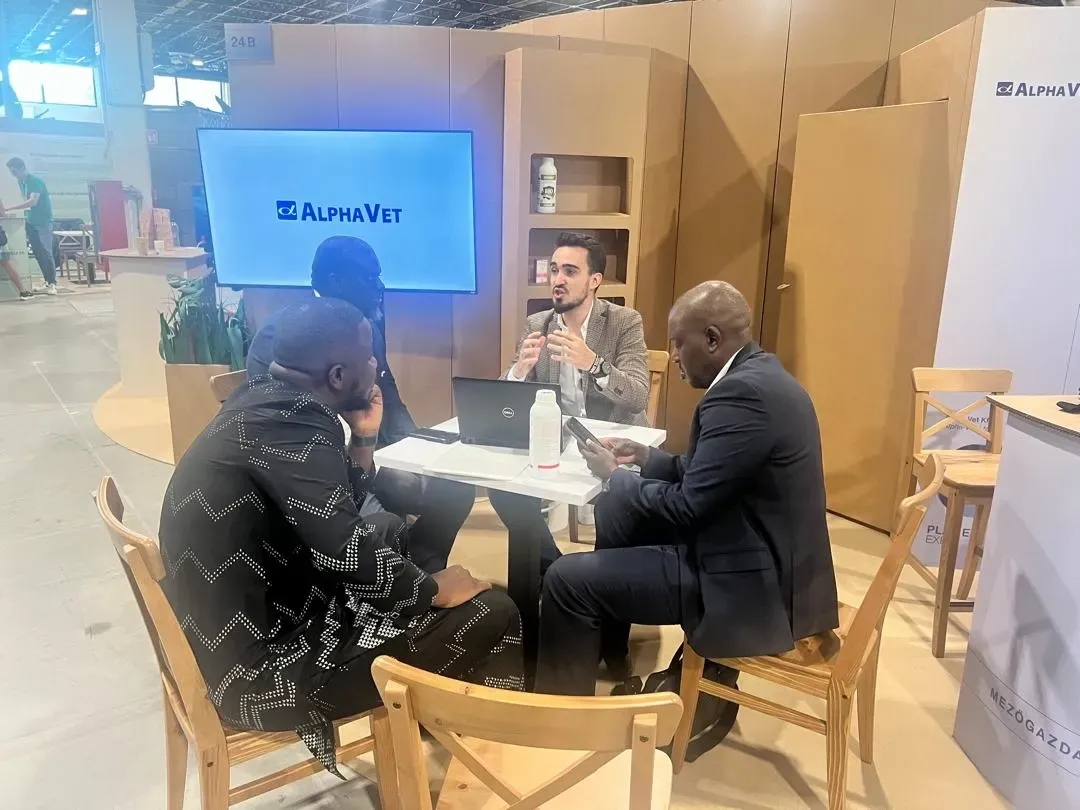
As we moved from stand to stand, we met companies working in recycling, waste management, agriculture, fertilisers, water management, renewable energy and other environmental technologies.
Some ideas were surprisingly simple. Others made us stop and ask questions.
When an old tyre is no longer just an old tyre
One of the more memorable examples was seeing how materials that would normally be considered waste could be given another life.
We encountered solutions involving the reuse and recycling of old tyres and rubber, including applications in roads and construction.
Immediately, you begin thinking about The Gambia.
We have tyres. We have waste. We need roads and infrastructure. So instead of looking at an old tyre simply as rubbish, could it become a raw material for something else?
That was one of the interesting things about Planet Budapest. Many of the exhibits made you reconsider the meaning of waste.
Something thrown away in one system could become an input in another.
For a developing country such as The Gambia, that is not only an environmental conversation. It is also a conversation about business, employment and innovation.
Agriculture naturally caught our attention
Agriculture was another area we spent time exploring.
We interacted with companies involved in fertilisers, agricultural inputs, food production and technologies aimed at improving agricultural efficiency.
Again, our minds naturally travelled home.
Agriculture remains an important part of Gambian life, but our farmers face challenges ranging from productivity and access to inputs to water availability, changing weather patterns and the cost of modern equipment.
Seeing what Hungarian companies were developing therefore raised a more useful question than simply asking whether the technology was impressive:
Could it work in The Gambia?
And perhaps more importantly, could Hungarian expertise be adapted to Gambian conditions through partnerships with local businesses, farmers and institutions?
Water, energy and the environment
Water-related technologies were particularly interesting for a Gambian delegation.
Our country is built around the River Gambia, while agriculture, communities, tourism and industry all depend on reliable access to water. Planet Budapest gave us an opportunity to see companies and organisations approaching water from different angles, including treatment, conservation and management.
The same was true for energy.
Renewable energy and more efficient technologies are particularly relevant to countries such as The Gambia, where sunshine is abundant and energy remains one of the major considerations for households and businesses.
Walking through the exhibition, it became difficult not to connect what we were seeing in Budapest with challenges and opportunities back home.
You start looking at home differently
Perhaps that was the most valuable part of Planet Budapest.
You travel to Hungary expecting to learn about Hungarian innovation. But after spending enough time at the exhibition, you begin looking at The Gambia differently.
A recycling company makes you think about the waste we see around our communities.
A technology using discarded materials makes you wonder how much economic value we currently throw away.
A fertiliser company makes you think about Gambian farmers.
A water solution makes you think about communities, agriculture and the River Gambia.
An energy company makes you think about the Gambian sun.
And suddenly the exhibition is no longer just about what Hungary is doing.
It becomes about what might be possible between Hungary and The Gambia.
And then there were the Hungarian town names…
Of course, not every memory from Hungary involved sustainability and business.
There was also an unexpected language problem.
As Mandinka and Serahuli speakers travelling around Hungary, we quickly discovered that some perfectly ordinary Hungarian place names can sound very different to Gambian ears.
Every now and then, a Hungarian colleague would casually mention the name of a town.
The Gambians would look at one another.
A brief silence.
Then someone would start laughing.
The Hungarian person, understandably, would have absolutely no idea what was happening.
Some of the names sounded suspiciously close to Mandinka or Serahuli words that would probably be better left untranslated on an official website.
It became one of those small running jokes of the trip and also a reminder of what makes travelling interesting. Sometimes cultural exchange happens during formal meetings. Sometimes it happens because a completely innocent word in one language means something entirely different in another.
Beyond the exhibition
Our visit to Hungary also gave us opportunities beyond Planet Budapest.
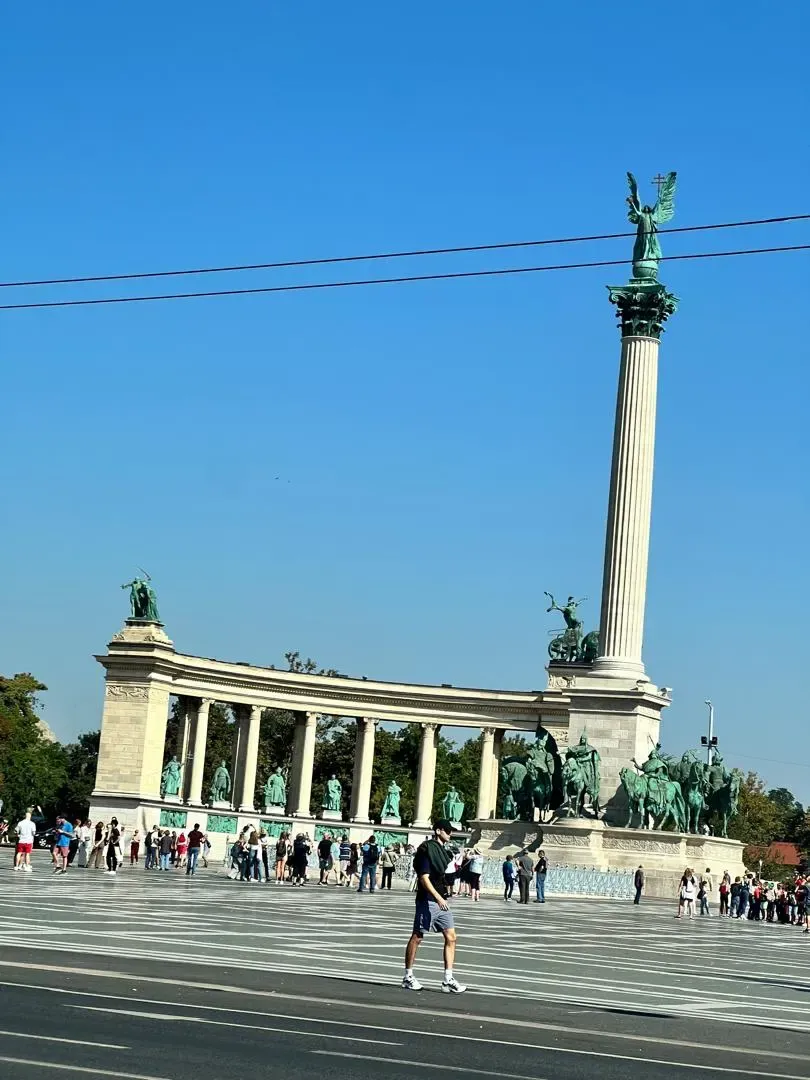
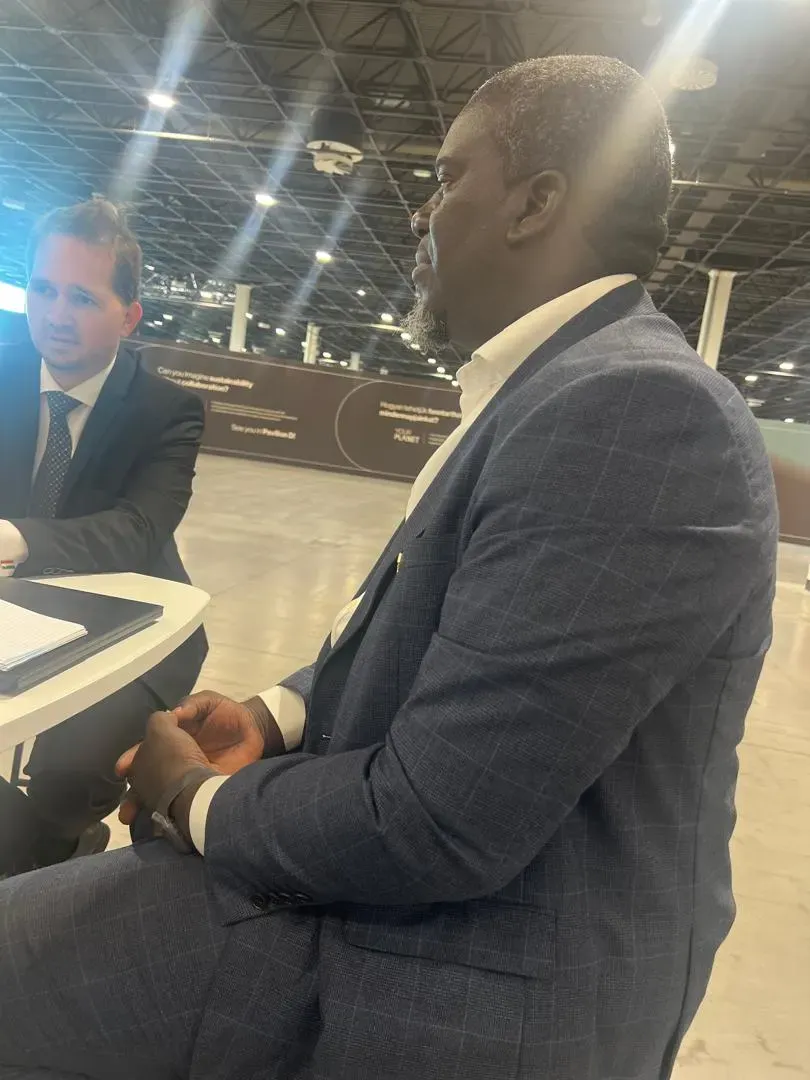
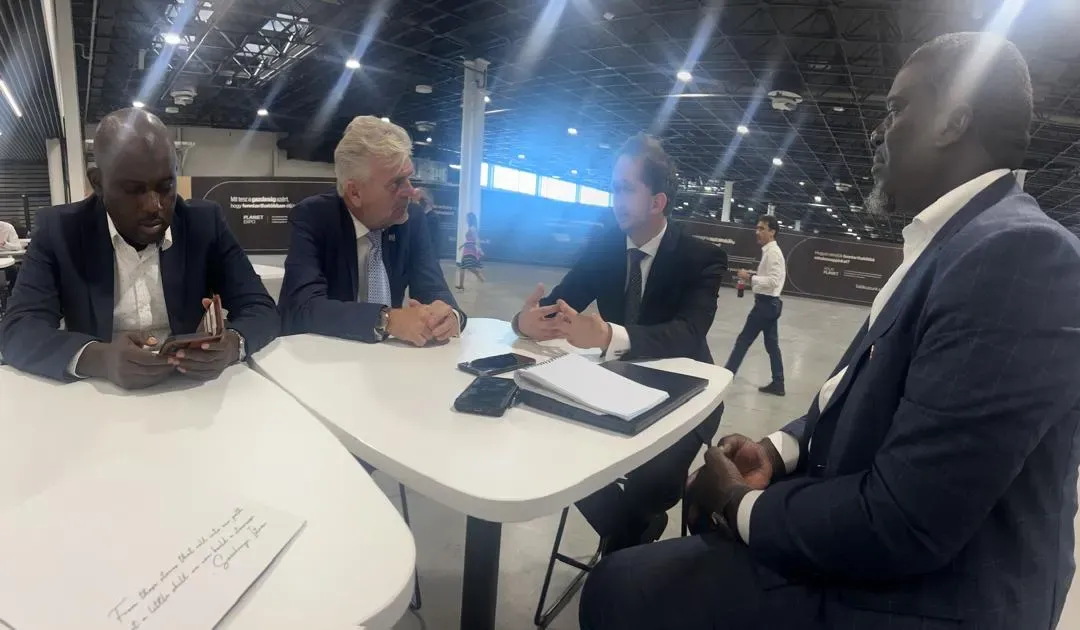
We experienced Budapest, visited the Hungarian Parliament, interacted with businesses and explored areas where stronger commercial relationships between Hungary and The Gambia could be developed.
Our wider programme also included engagement with Agrofeed, giving us further exposure to Hungary’s agricultural and agribusiness capabilities.
These experiences helped put what we had seen at Planet Budapest into a broader perspective.
Hungary has expertise in areas that are relevant to The Gambia—from agriculture and water management to environmental technology, energy, manufacturing and education.
The question is how we turn exposure into relationships.
From Budapest to Banjul
Not every solution displayed at Planet Budapest will necessarily work in The Gambia, and that should not be the objective.
The real opportunity is to identify ideas that make sense for our environment and then explore how Hungarian expertise can be adapted, partnered and transferred in ways that create value locally.
Could Hungarian recycling technology find Gambian partners?
Could agricultural companies work with Gambian farmers and businesses?
Could solutions developed for water, renewable energy and waste management be adapted to our communities?
Could Gambian entrepreneurs find Hungarian companies looking for opportunities in West Africa?
These are the conversations that exhibitions such as Planet Budapest can begin.
Our visit in 2023 therefore left us with more than photographs and memories.
It left us with questions.
And sometimes, asking the right questions is where cooperation begins.
From Budapest to Banjul, there is much that Hungary and The Gambia can learn from each other and much more still to explore.